A small bedroom doesn’t mean you have to compromise on comfort, style, or personality. With the right design strategies, even the tiniest bedroom can feel spacious, functional, and beautifully curated. From clever storage solutions to visual tricks that make a room appear larger, small bedroom makeovers are all about smart design choices.
In this guide, you’ll discover 18 practical and stylish small bedroom makeover ideas, each explained in depth, to help you transform your space—whether you live in an apartment, studio, or compact home.
1. Use Light and Neutral Color Palettes
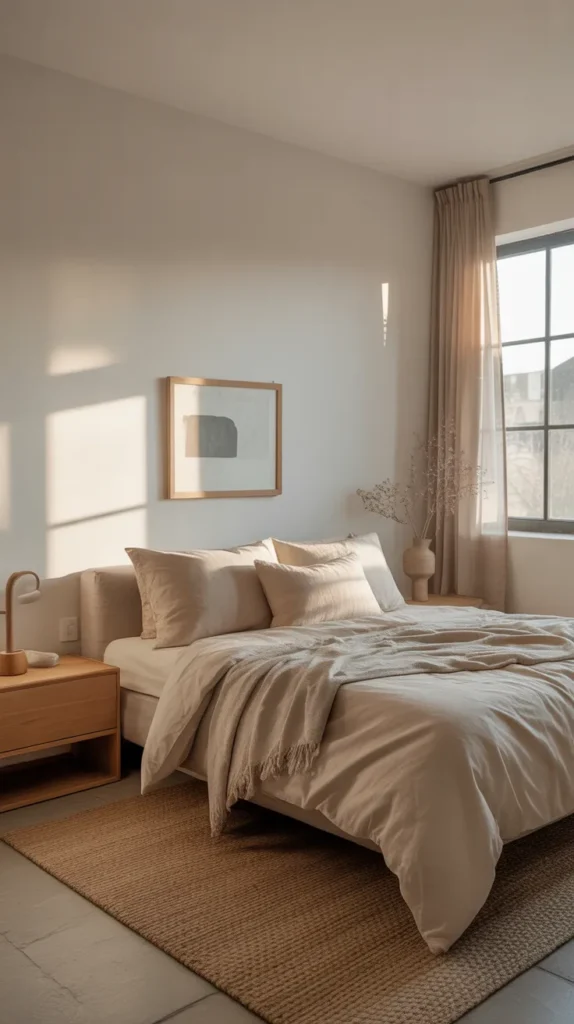
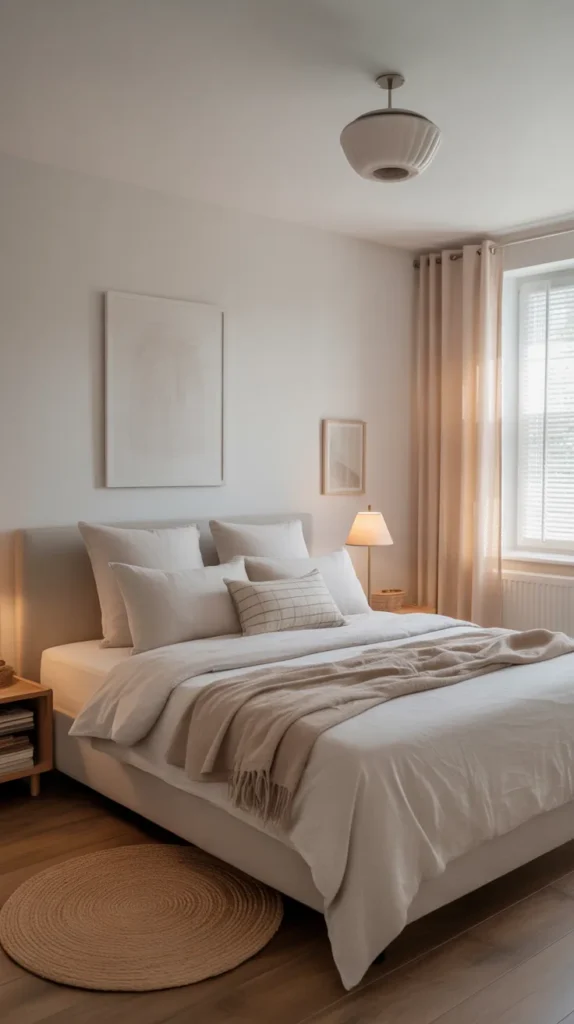
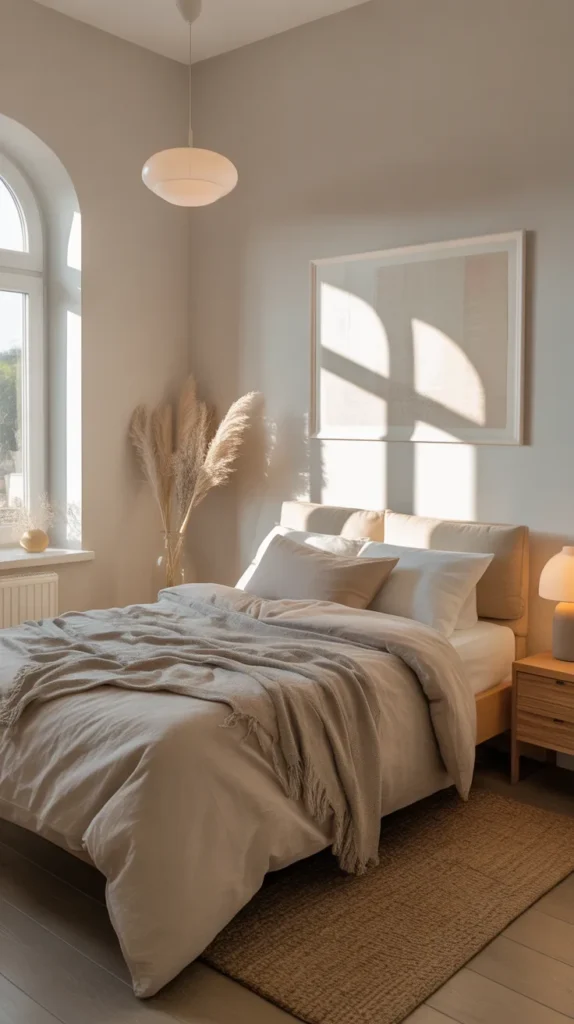
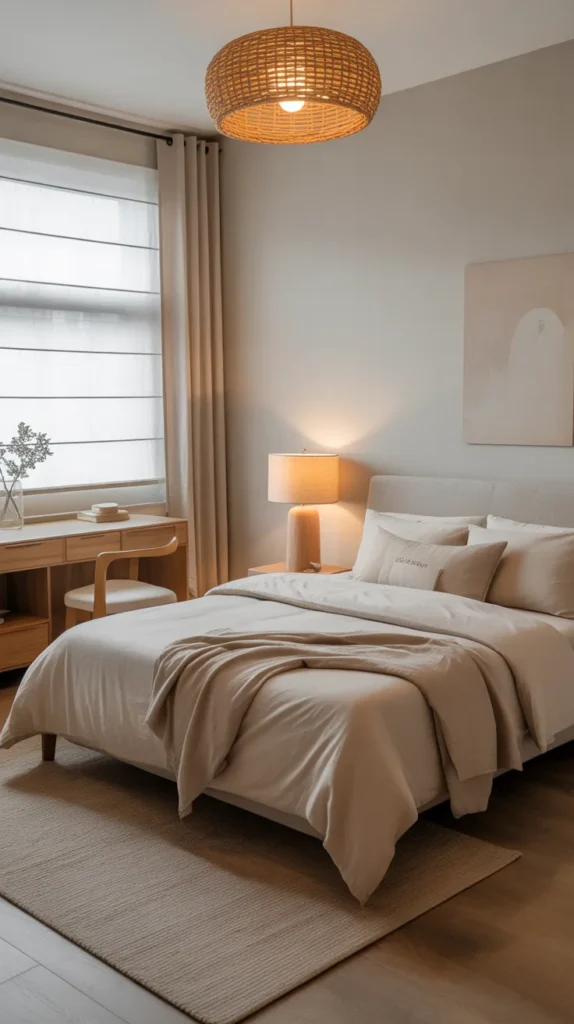
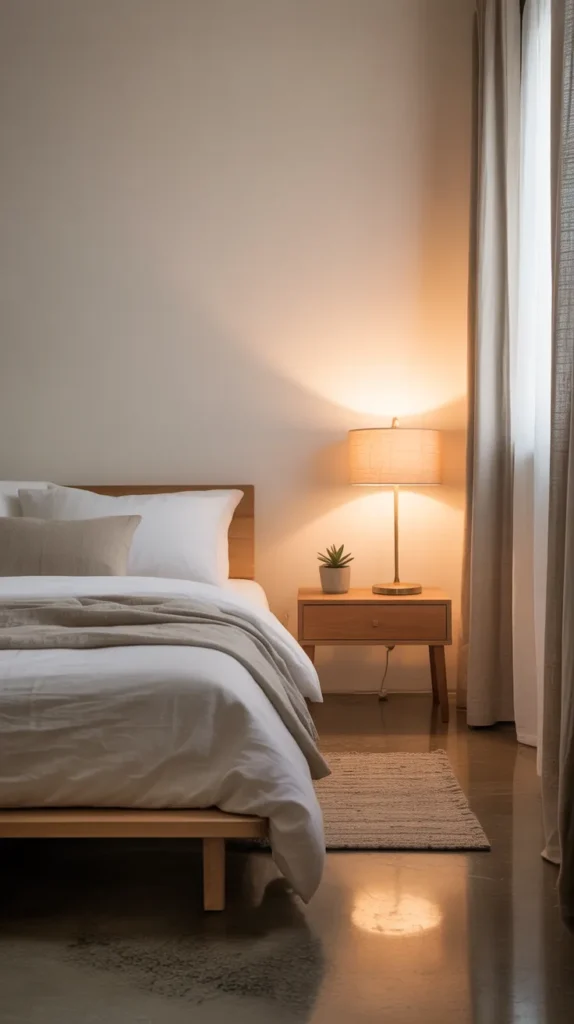
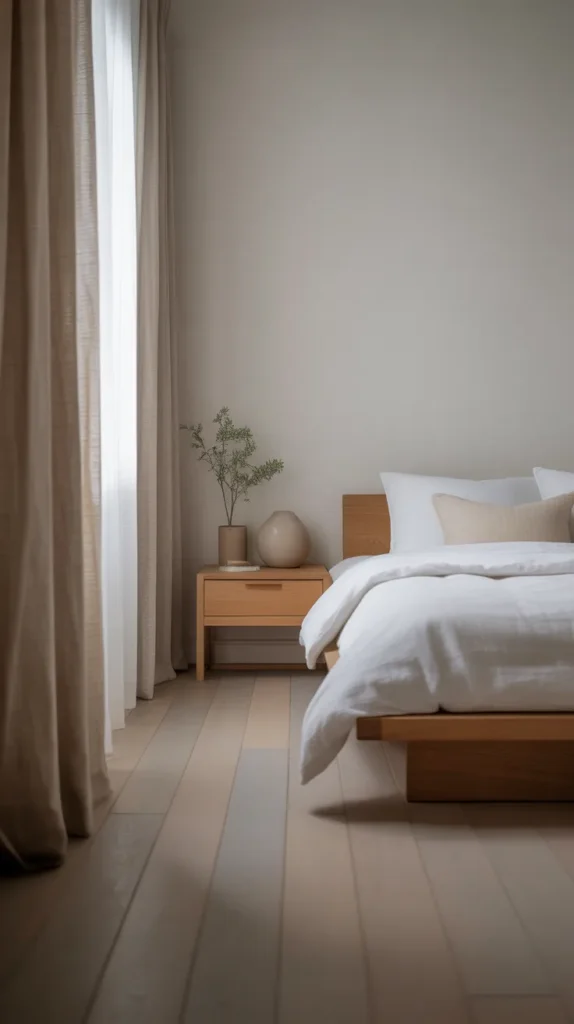
One of the most effective ways to visually expand a small bedroom is by using light and neutral colors. Shades like white, beige, soft grey, ivory, and pastel tones reflect light rather than absorbing it, making the room feel more open and airy.
Light walls create a seamless backdrop that minimizes visual clutter. When combined with matching or slightly darker furniture tones, the room appears cohesive rather than crowded. You can also layer neutrals by mixing textures—linen curtains, cotton bedding, and soft rugs—to avoid a flat or boring look.
For added depth, consider painting the ceiling a shade lighter than the walls. This subtle trick draws the eye upward, making the room feel taller. Avoid harsh contrasts; instead, stick to a consistent color story for walls, bedding, and major furniture.
2. Choose Multifunctional Furniture
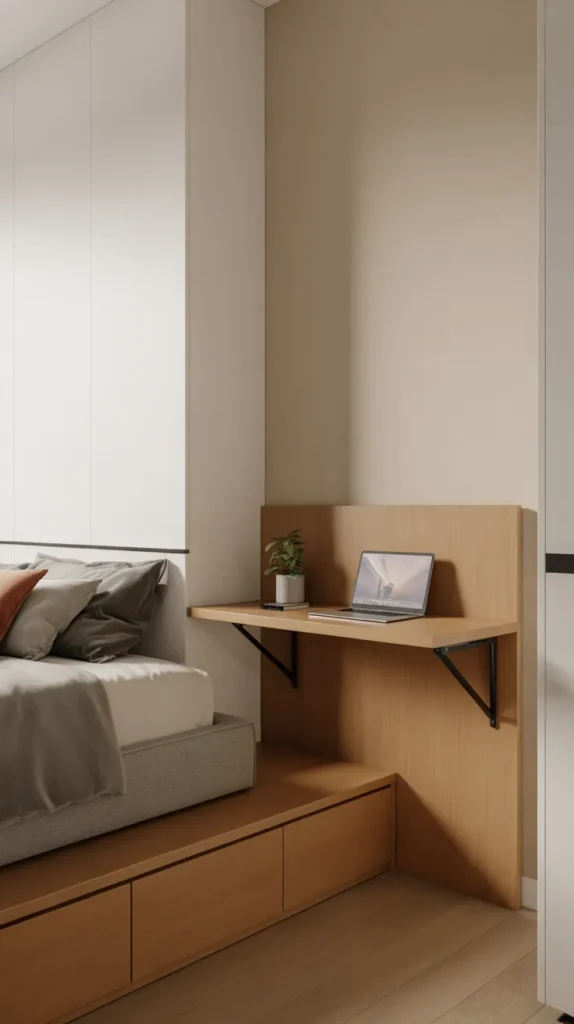
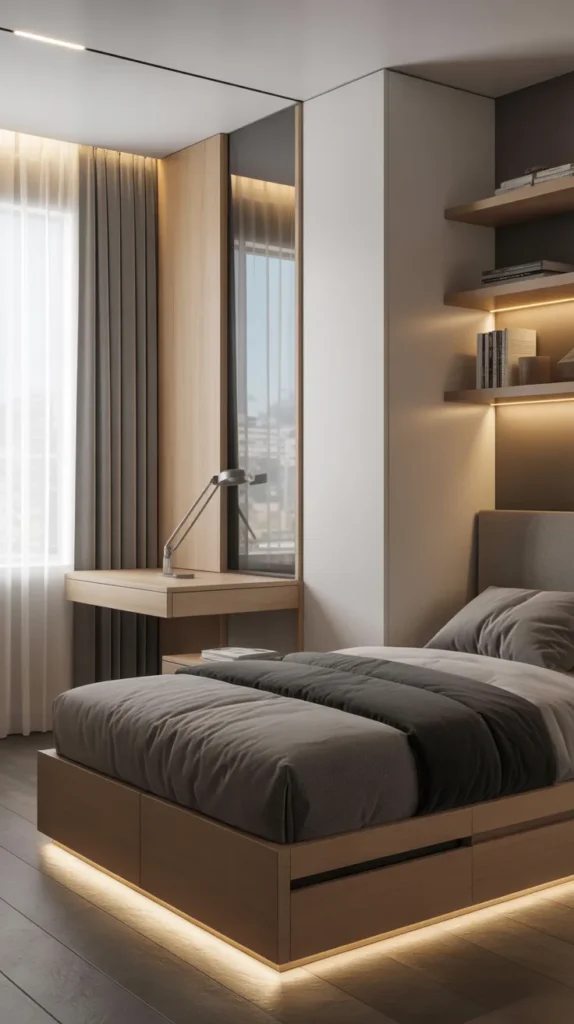
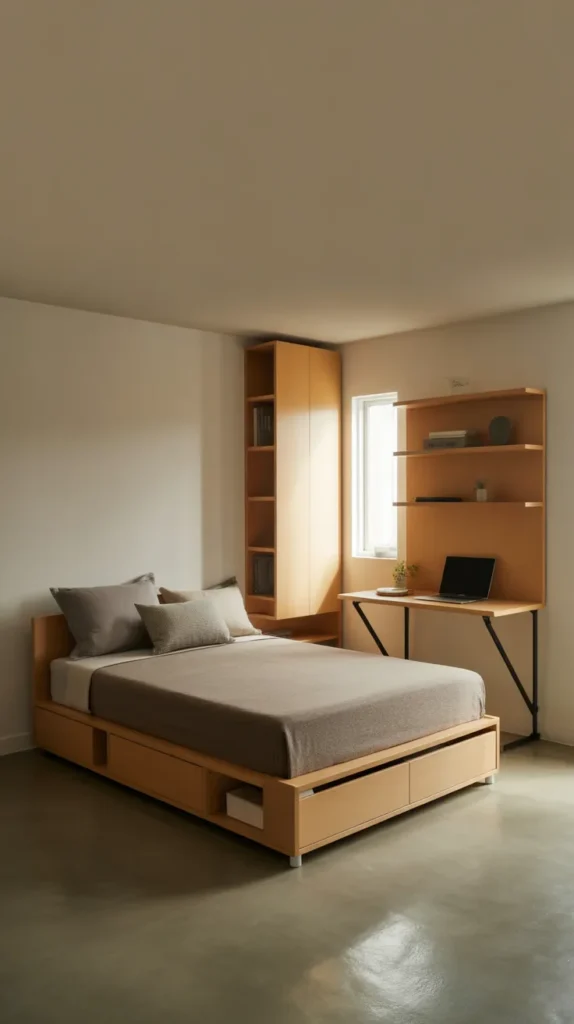
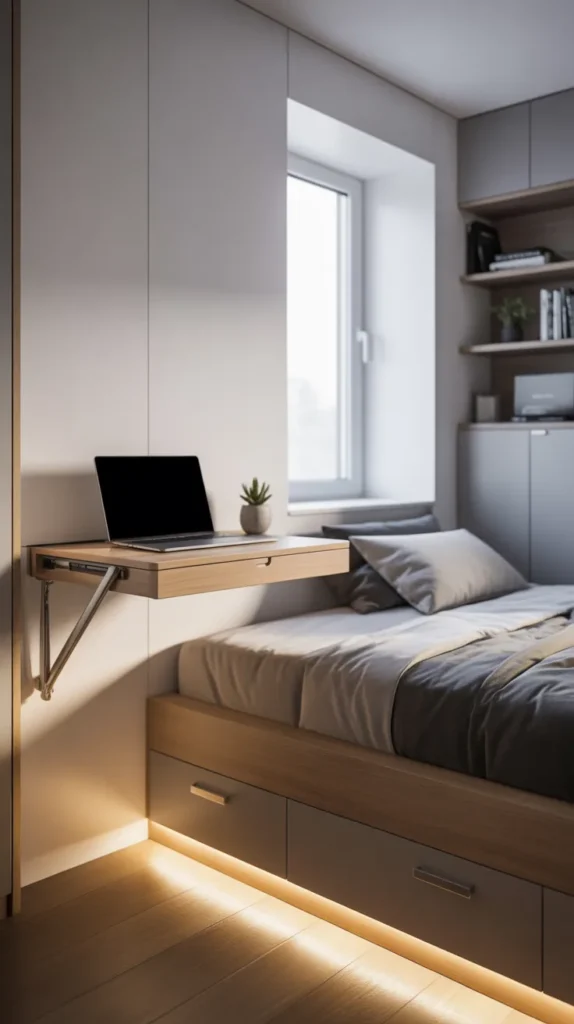
In a small bedroom, every piece of furniture should earn its place. Multifunctional furniture helps maximize usability without overcrowding the space. Beds with built-in storage, foldable desks, and ottomans that double as storage boxes are excellent choices.
A storage bed can eliminate the need for bulky wardrobes, while a desk that folds into the wall can serve as both a workspace and a decorative feature. Nightstands with drawers provide storage without requiring extra floor space.
When selecting multifunctional furniture, prioritize clean lines and compact designs. Avoid oversized pieces that dominate the room visually. The goal is to combine function and form seamlessly.
3. Install Wall-Mounted Storage
Wall-mounted storage is a game changer for small bedrooms. By using vertical space, you free up valuable floor area, making the room feel less cramped. Floating shelves, wall-mounted cabinets, and hanging organizers keep essentials accessible while maintaining a clean look.
Use floating shelves above the bed or desk to store books, décor, or plants. Wall-mounted nightstands are another smart alternative to traditional tables. They provide functionality without visually weighing down the room.
To avoid clutter, limit the number of items displayed on shelves. Stick to a balanced mix of functional and decorative pieces.
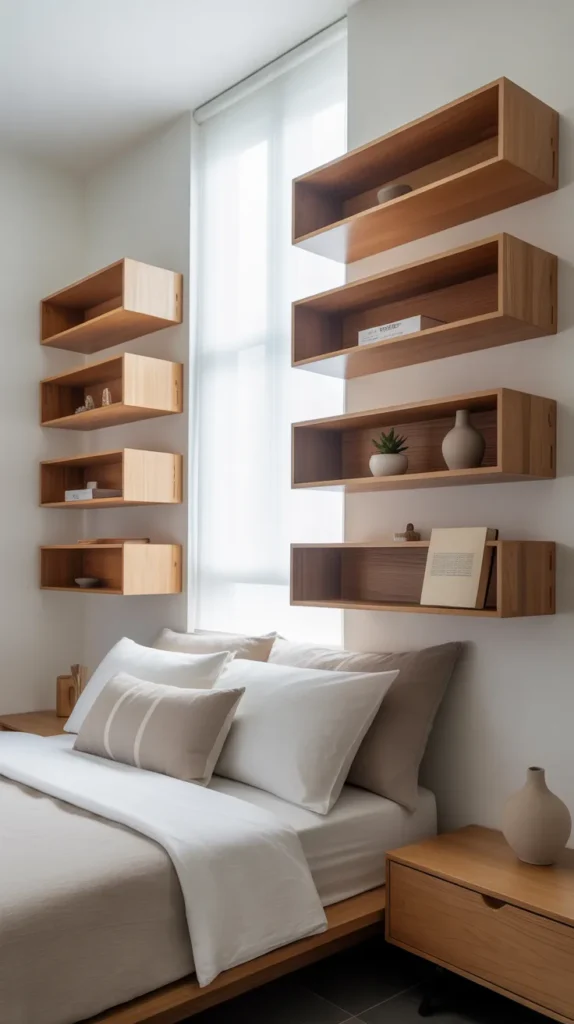
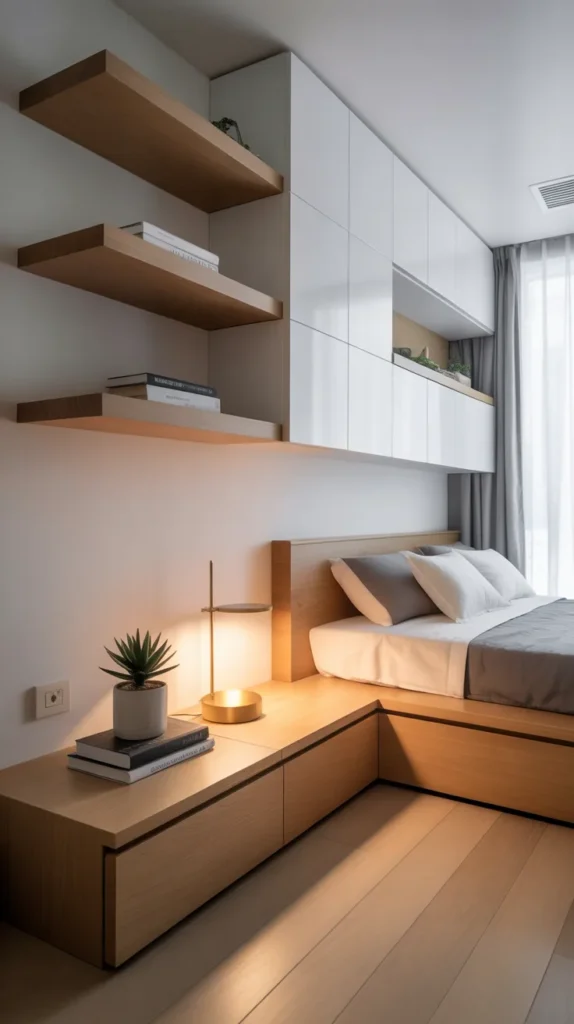
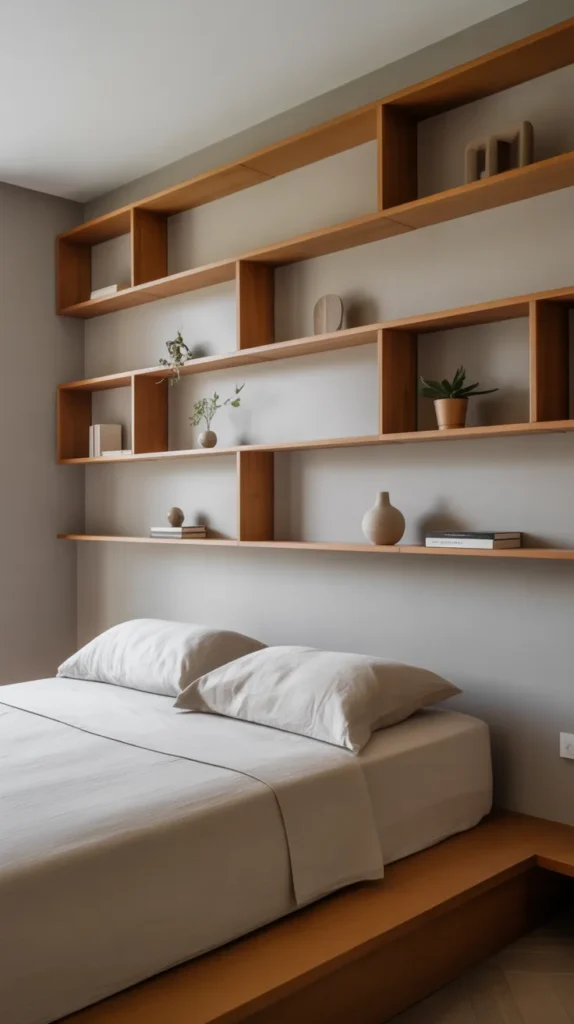
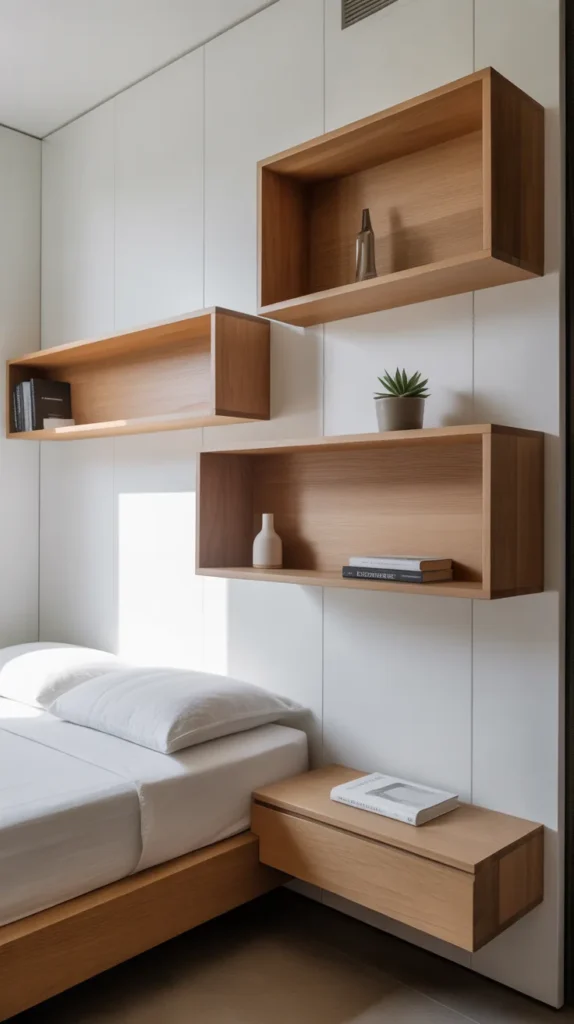
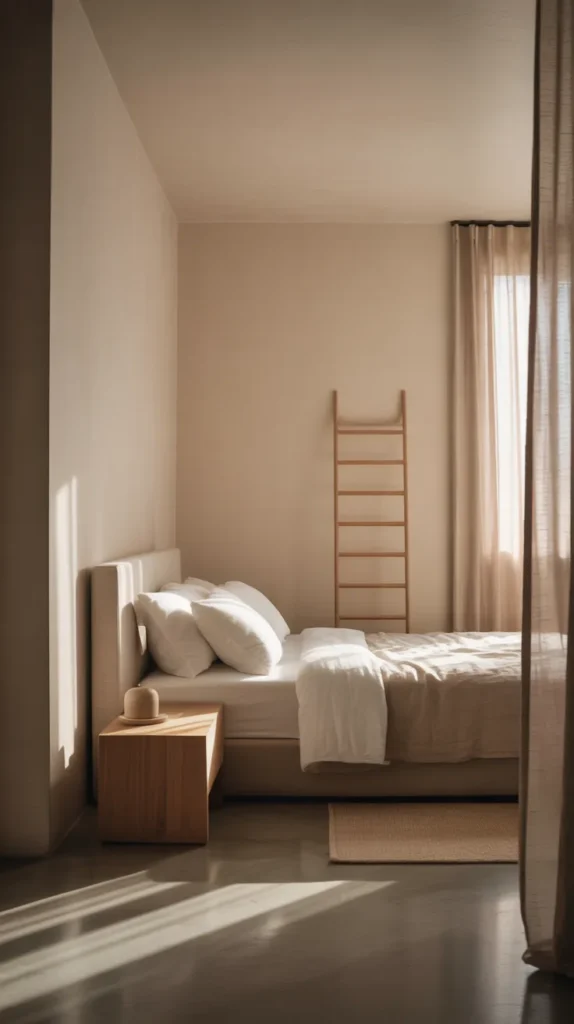
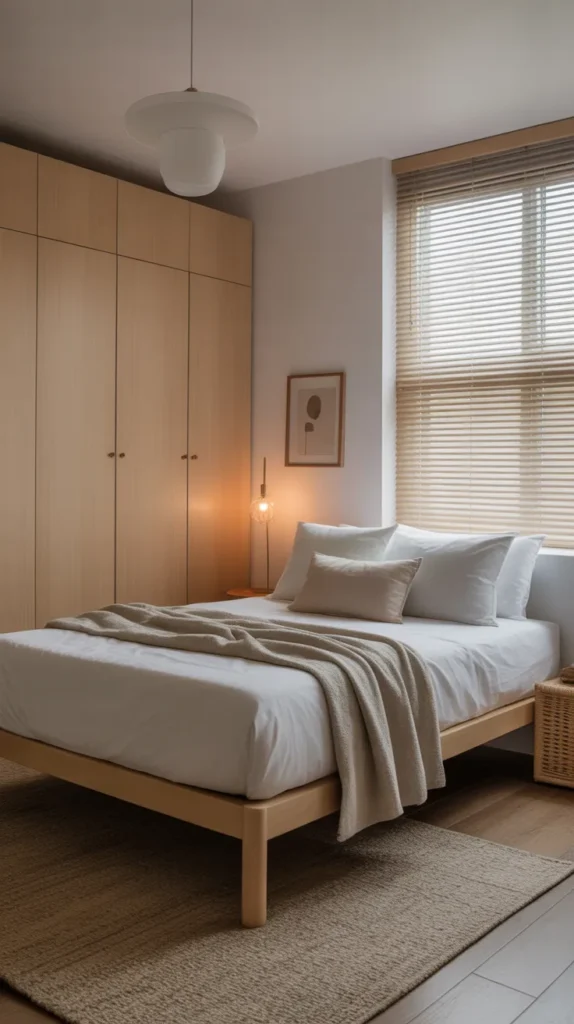
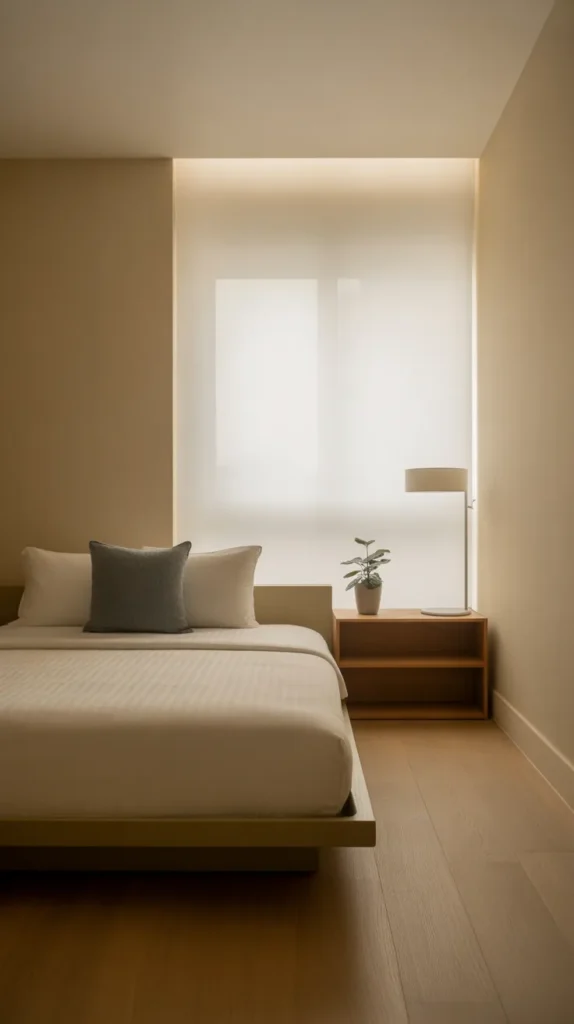
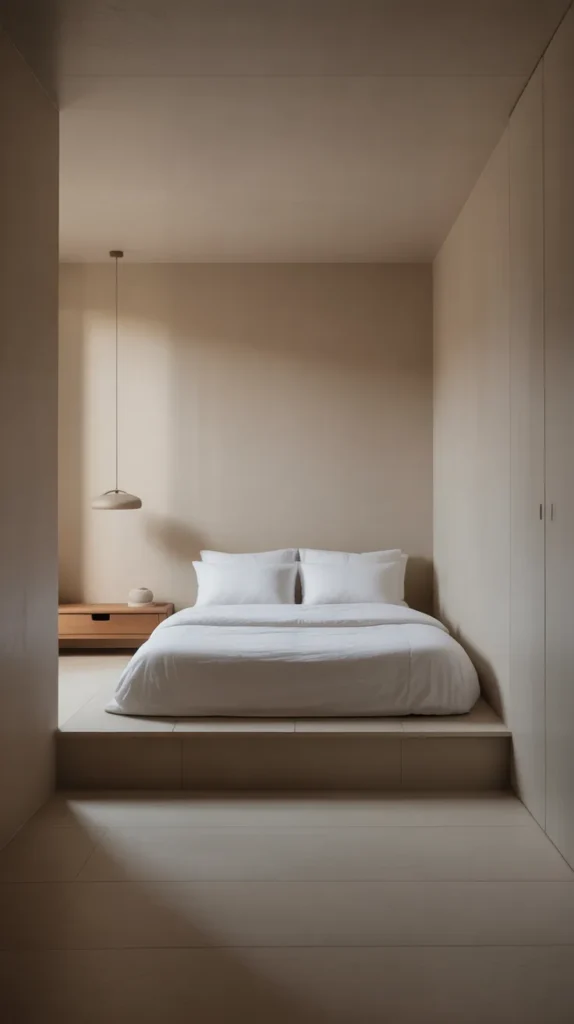
4. Opt for a Minimalist Design Approach
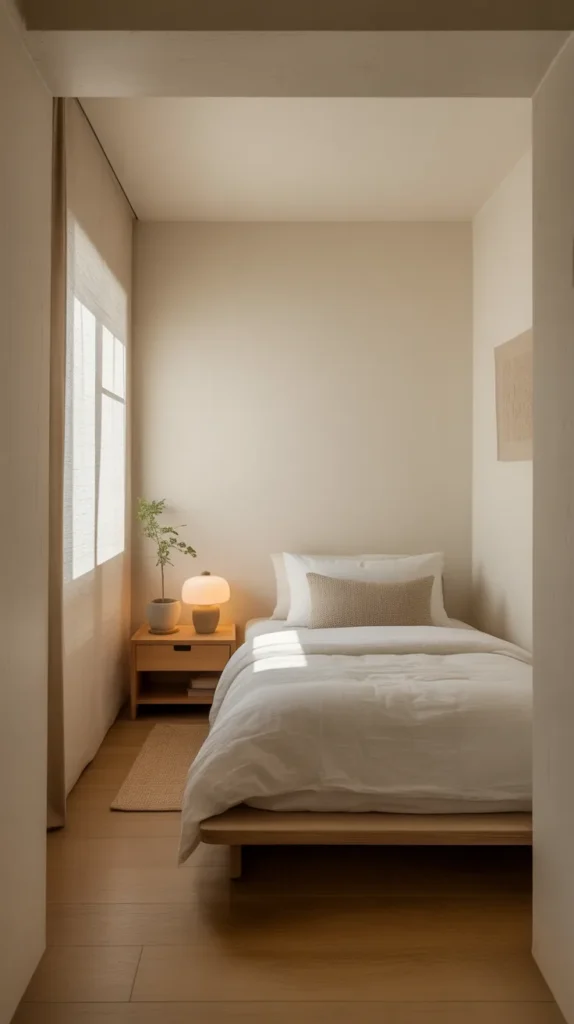
Minimalism is ideal for small bedrooms because it emphasizes simplicity, functionality, and clean visuals. A minimalist bedroom avoids unnecessary décor and focuses on essentials, making the space feel calm and uncluttered.
Stick to a limited color palette, simple furniture shapes, and hidden storage. Avoid heavy patterns and excessive accessories. Even artwork should be intentional—one statement piece is often better than many small frames.
Minimalist design doesn’t mean boring. Texture, lighting, and subtle contrasts add warmth while keeping the space visually light.
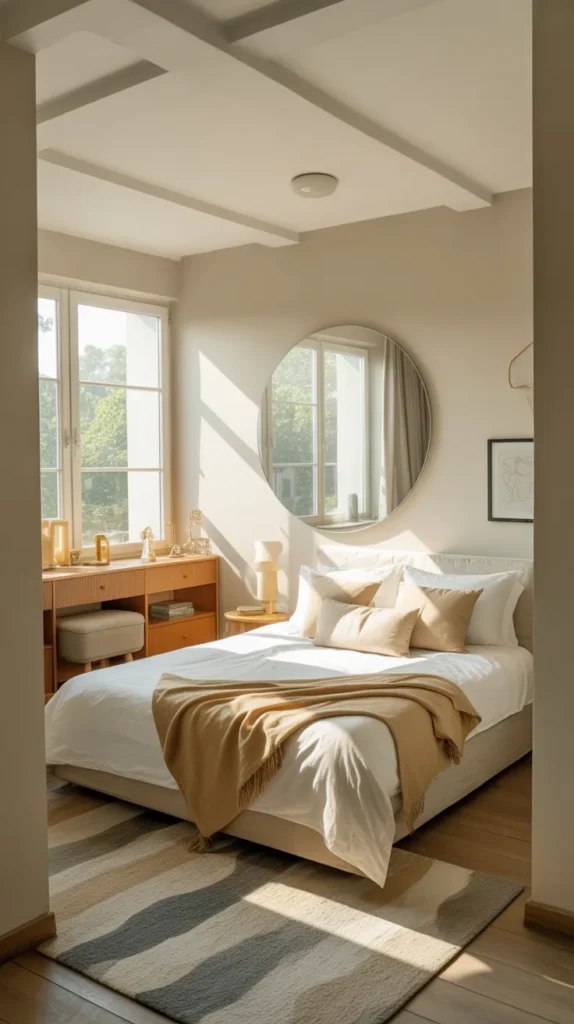
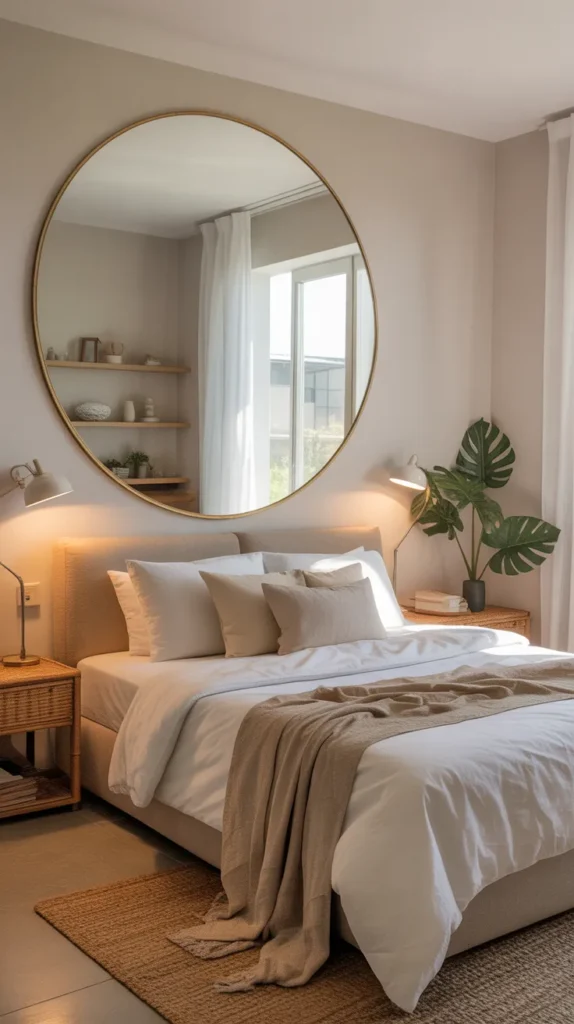
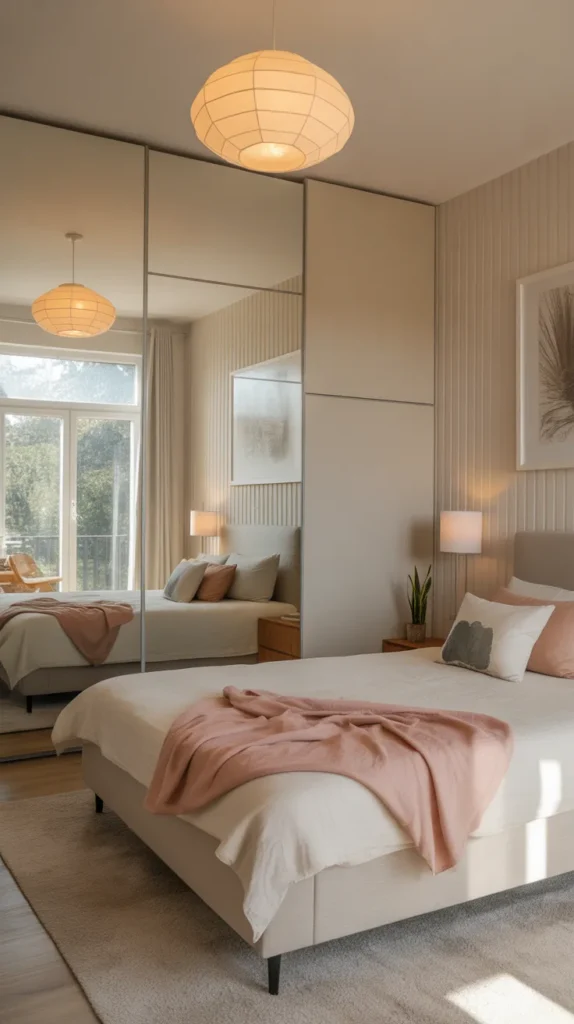
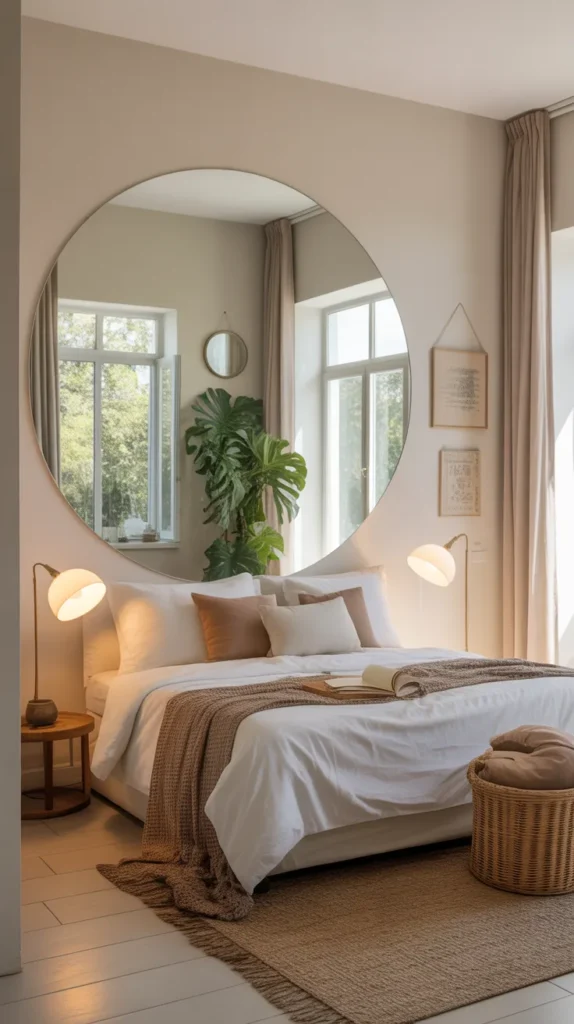
5. Use Mirrors to Create an Illusion of Space
Mirrors are one of the oldest and most effective design tricks for small spaces. They reflect light and visually double the size of a room. A large mirror placed opposite a window can significantly brighten and open up a small bedroom.
Consider mirrored wardrobe doors or a full-length mirror leaning against the wall. Even decorative mirrors can add depth while serving as statement pieces.
Avoid placing mirrors where they reflect clutter. Instead, use them strategically to enhance light and openness.
6. Go Vertical with Your Bed Placement
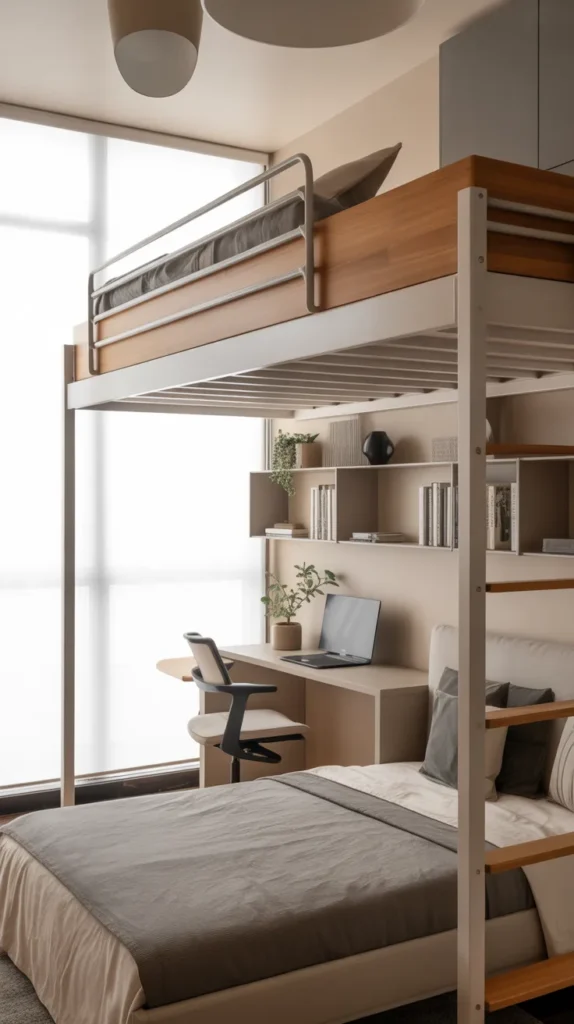
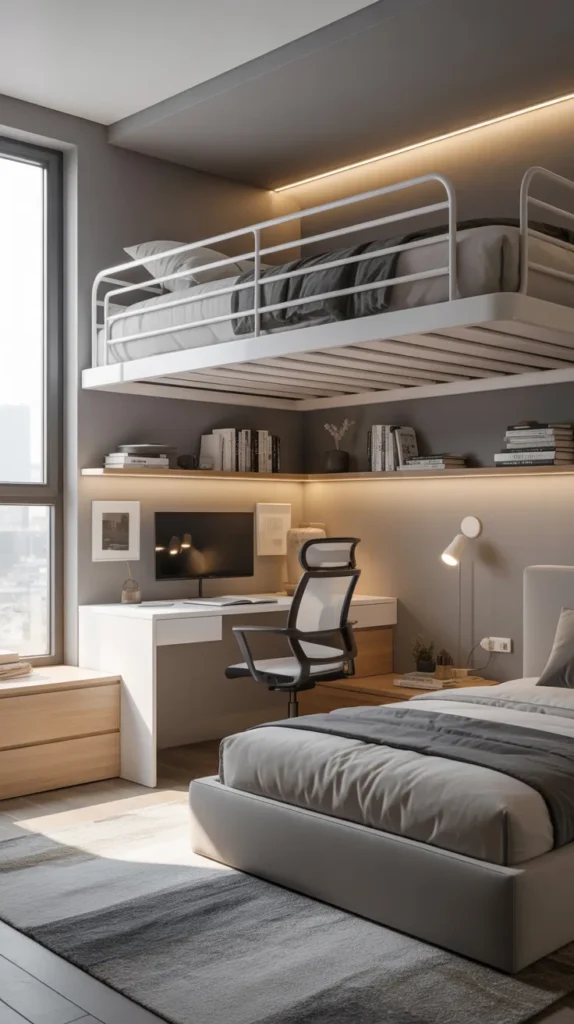
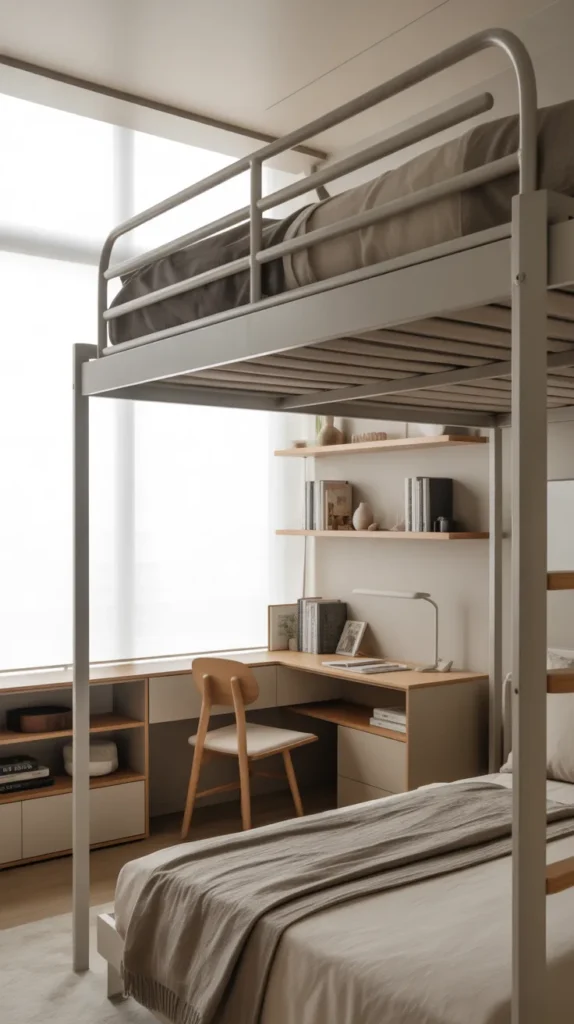
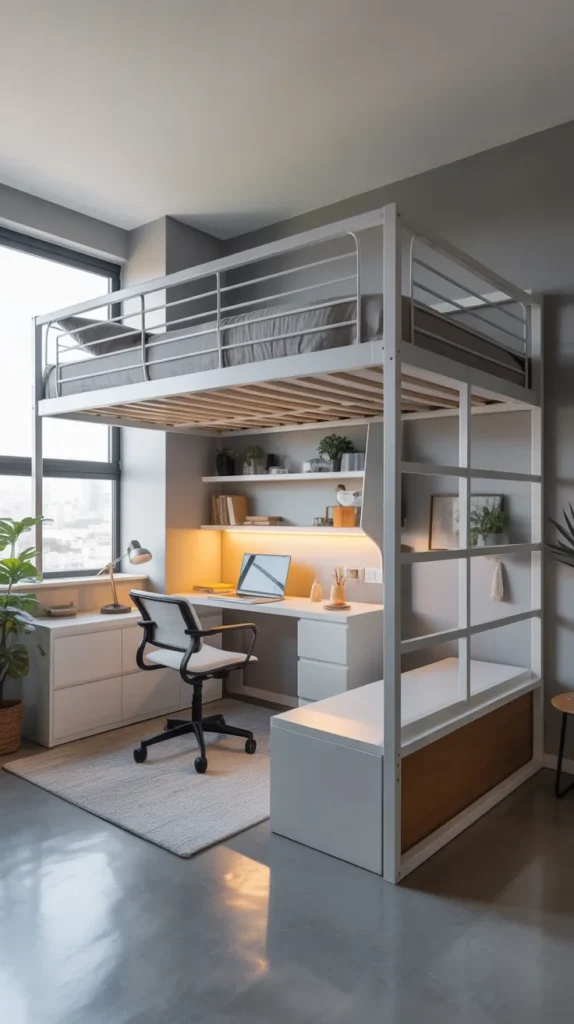
Vertical bed placement, such as loft beds or raised platforms, is perfect for very small bedrooms. Elevating the bed creates usable space underneath for storage, seating, or a workspace.
Loft beds are especially popular in studio apartments and kids’ bedrooms. Even a slightly raised platform bed can incorporate drawers or shelves below.
Ensure safety and comfort by choosing sturdy designs and keeping the color palette light to avoid a boxed-in feel.
7. Maximize Natural Light
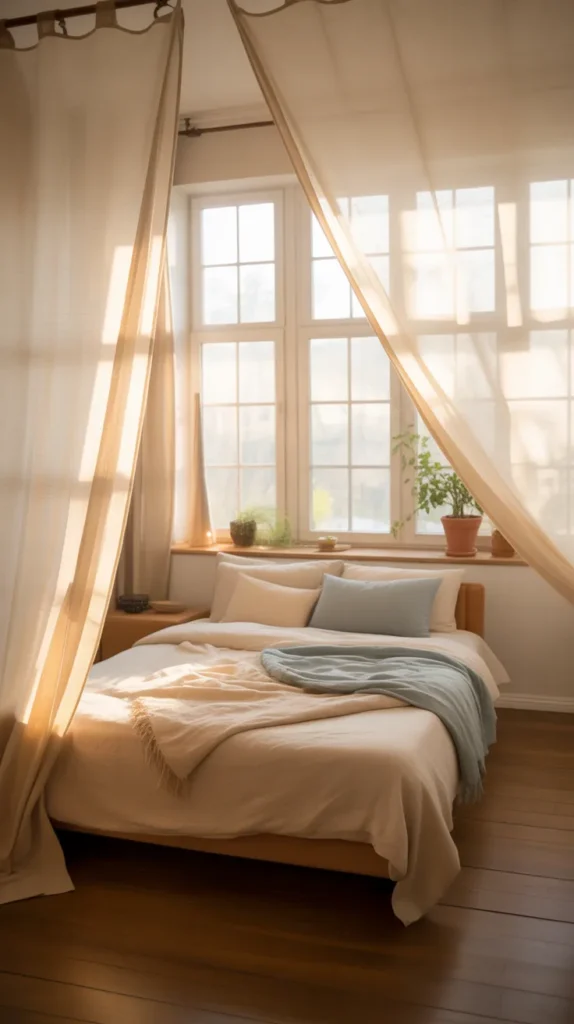
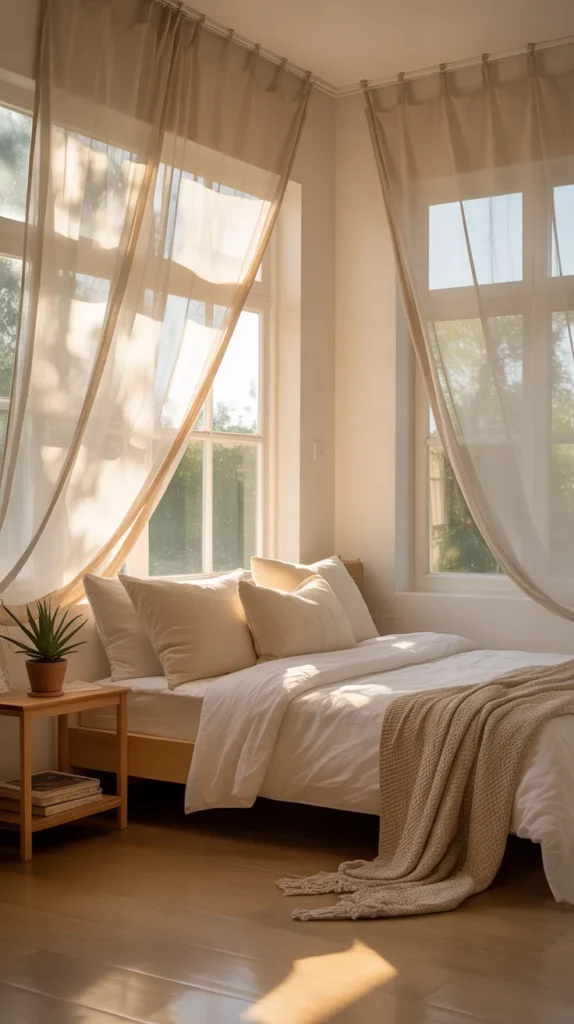
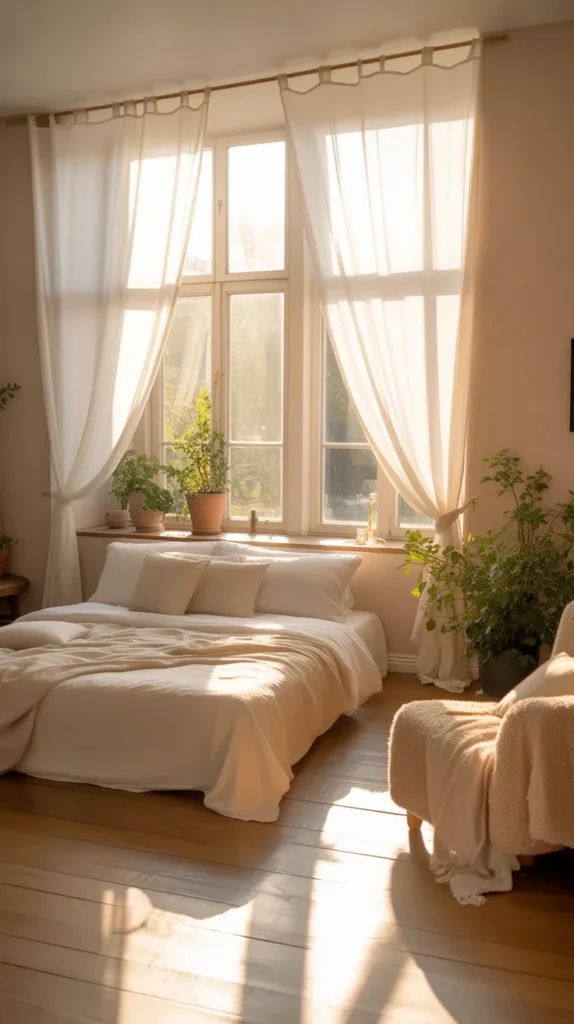
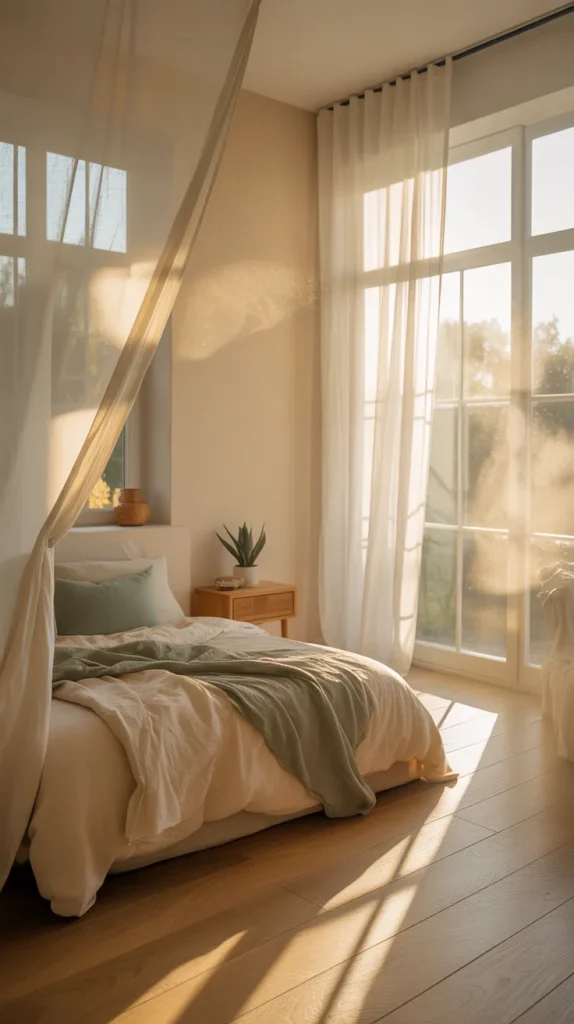
Natural light instantly makes a small bedroom feel larger and more inviting. Avoid heavy curtains that block sunlight. Instead, opt for sheer curtains or light blinds that allow light to flow freely.
If privacy is a concern, layer sheer curtains with blackout blinds. Keep window areas clutter-free and use reflective surfaces nearby to amplify brightness.
Light-colored walls and furniture further enhance the effect of natural light.
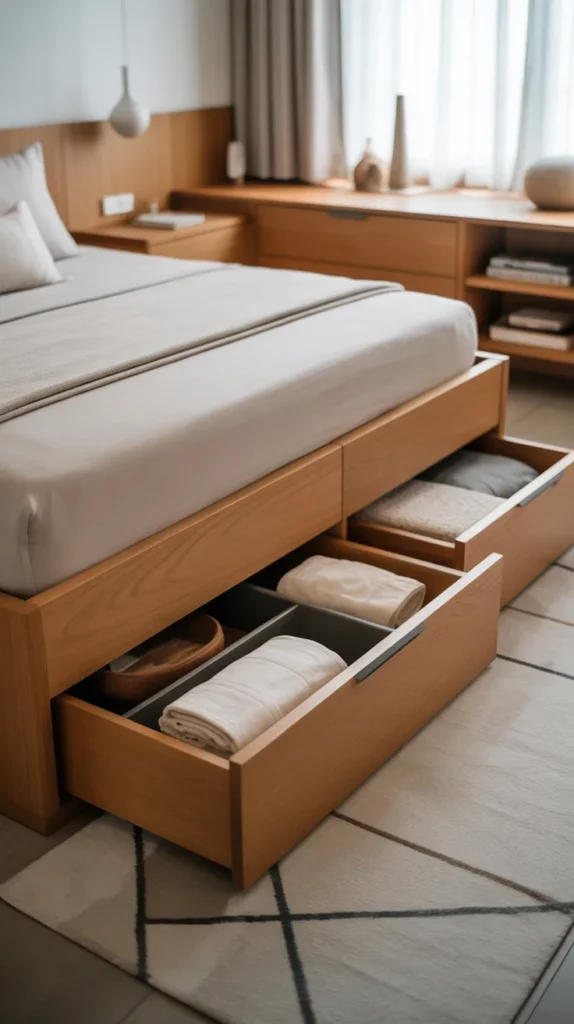
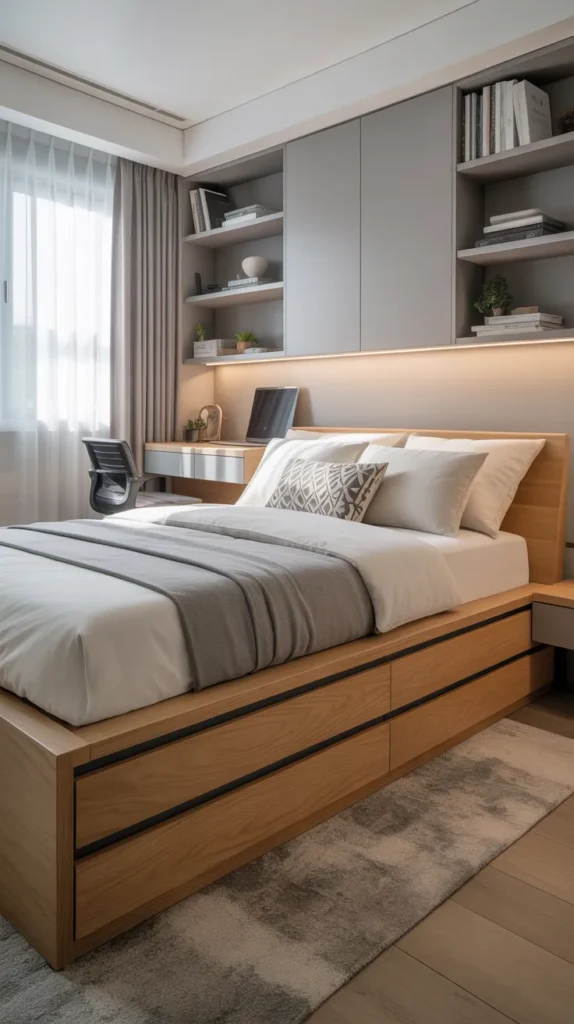
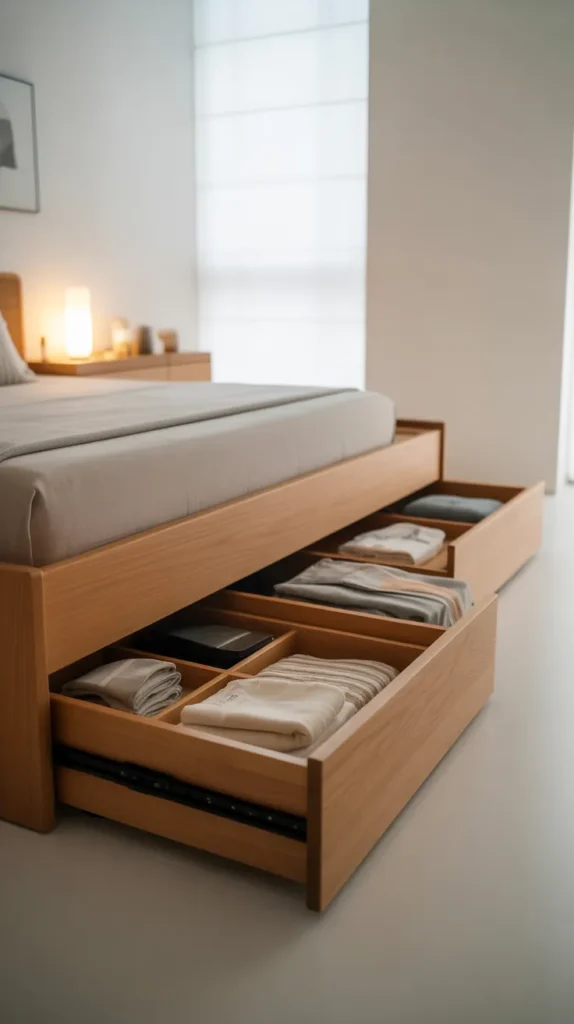
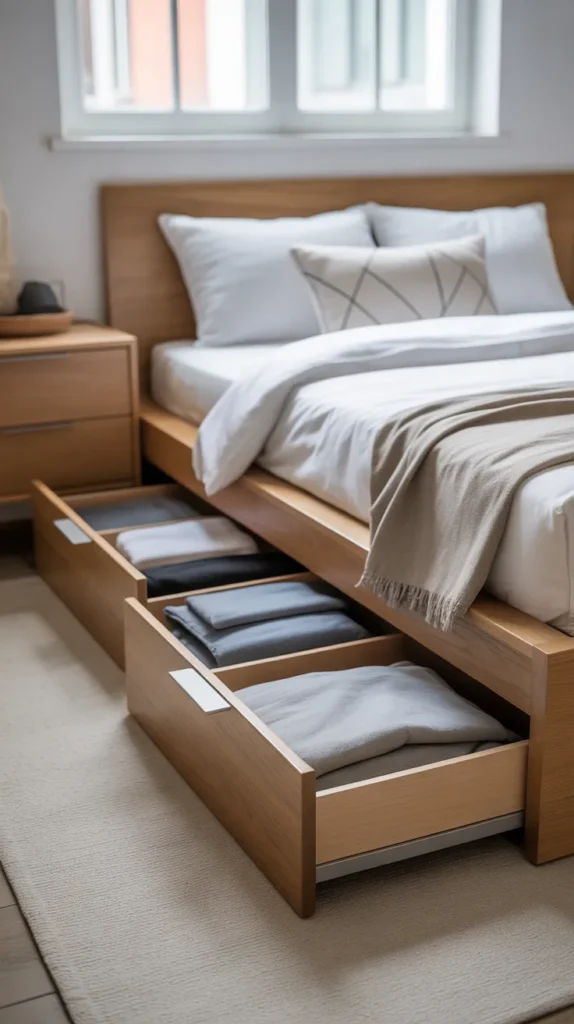
8. Use Under-Bed Storage Smartly
The space under your bed is often underutilized. Storage boxes, rolling drawers, or built-in compartments can store clothes, shoes, or seasonal items without taking up extra room.
Choose storage solutions that match the bed design to maintain a cohesive look. Covered or drawer-based storage keeps the room looking tidy.
This approach is especially useful for bedrooms without closets.
9. Pick the Right Bed Size
Oversized beds can overwhelm a small bedroom. Choosing the right bed size—such as a single, twin, or queen instead of a king—can instantly improve circulation and visual balance.
A bed with a slim frame or no headboard takes up less visual space. Low-profile beds also help make ceilings feel higher.
Always measure your room before purchasing a bed to ensure proportionality.
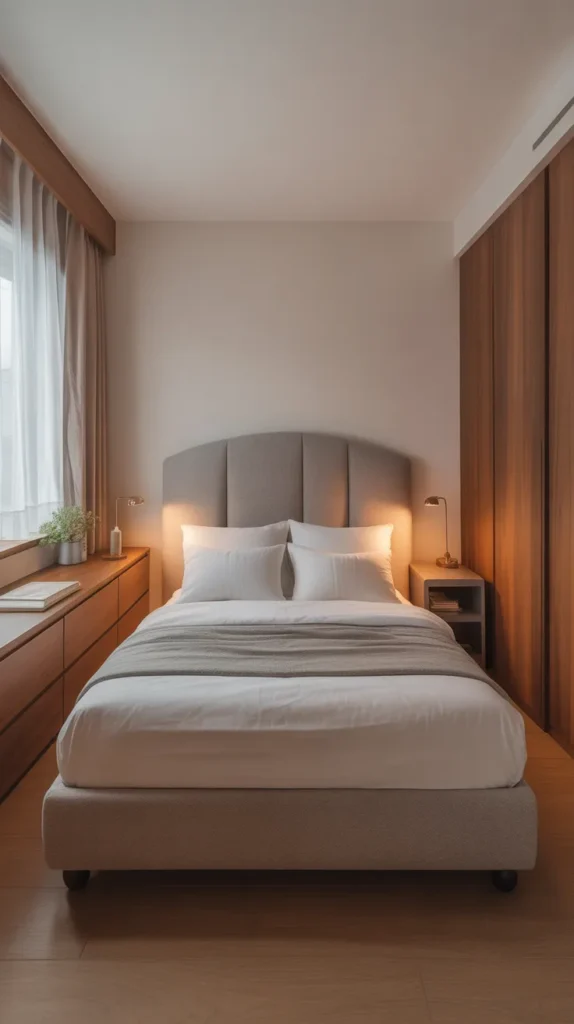
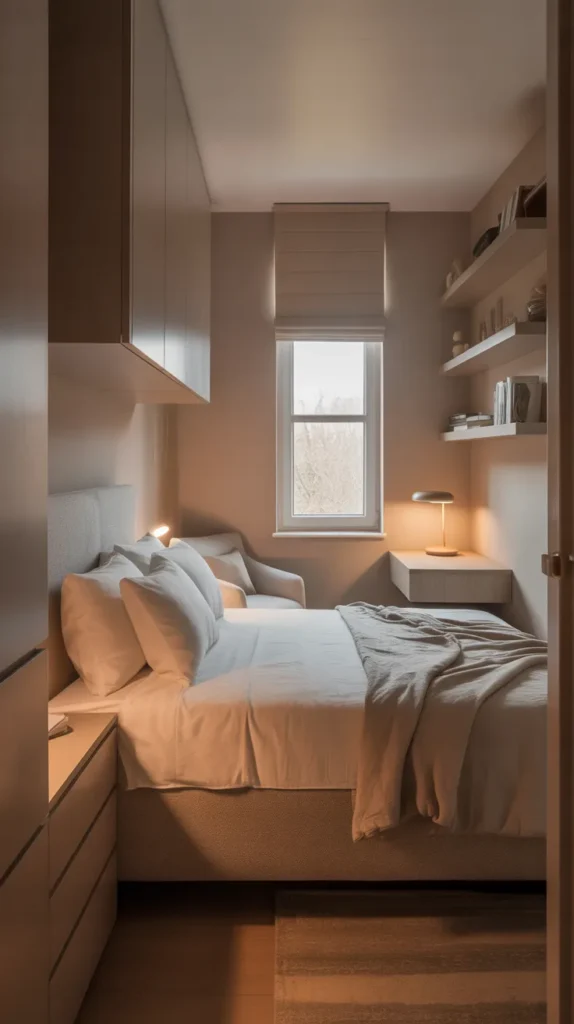
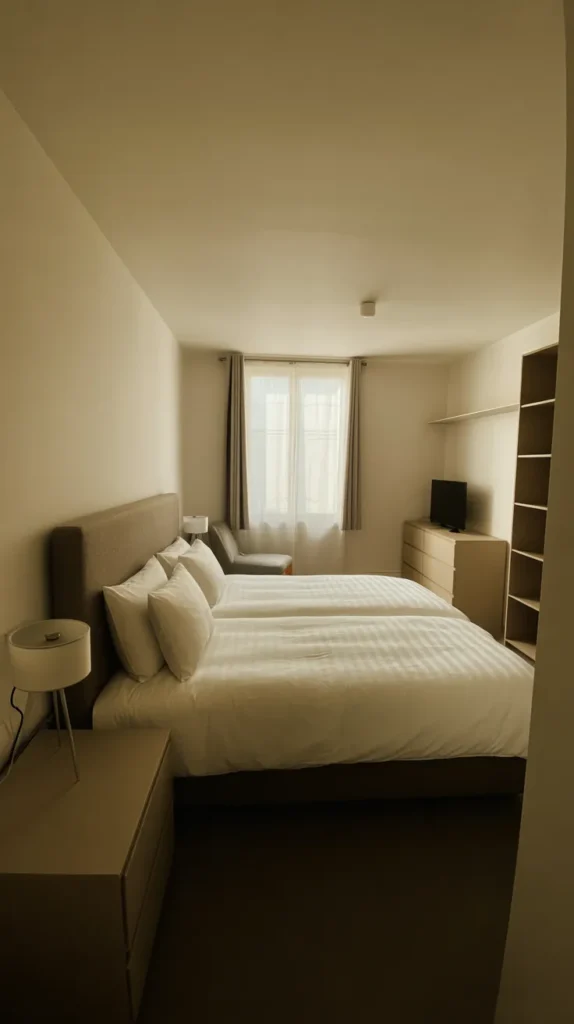
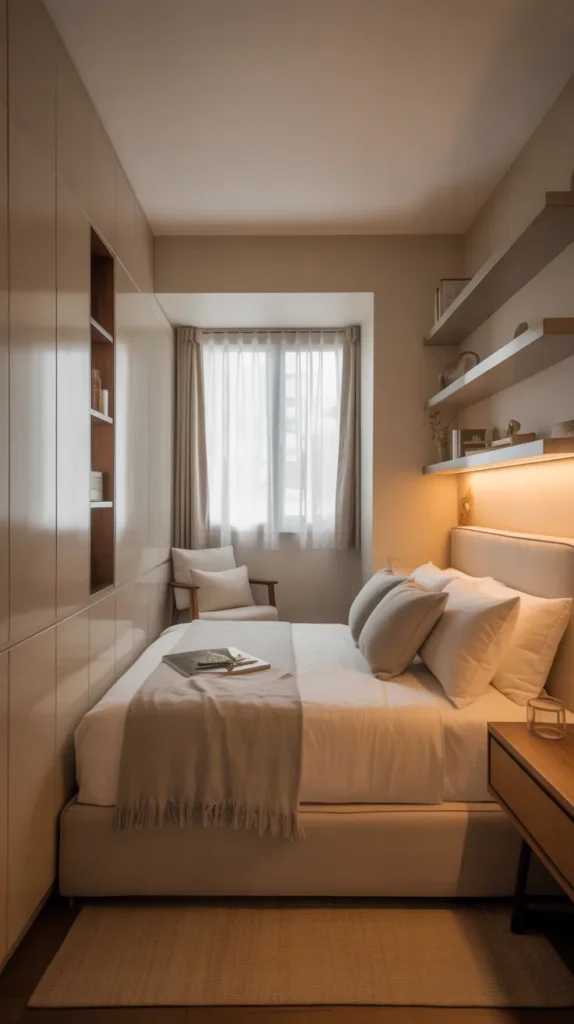
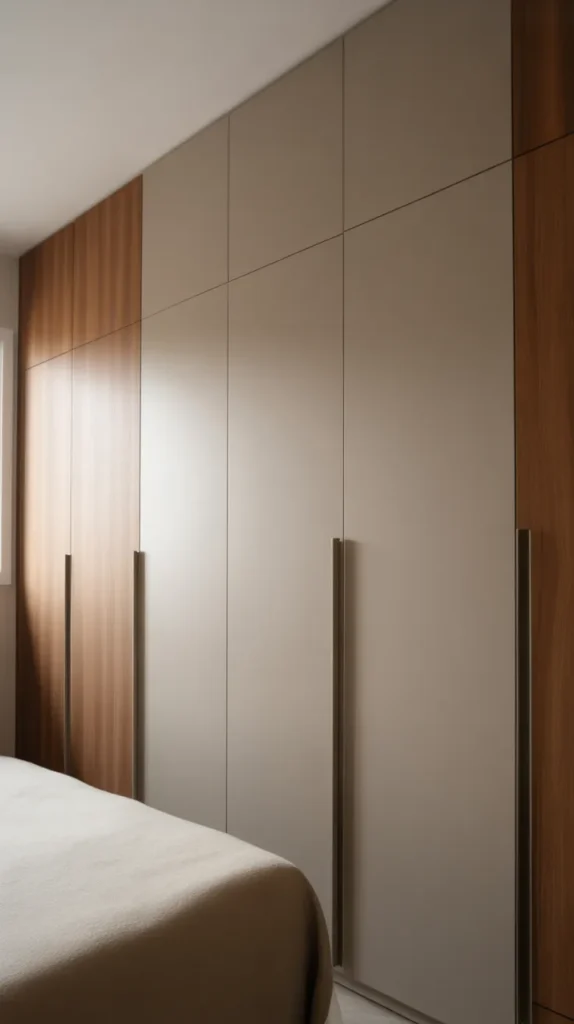
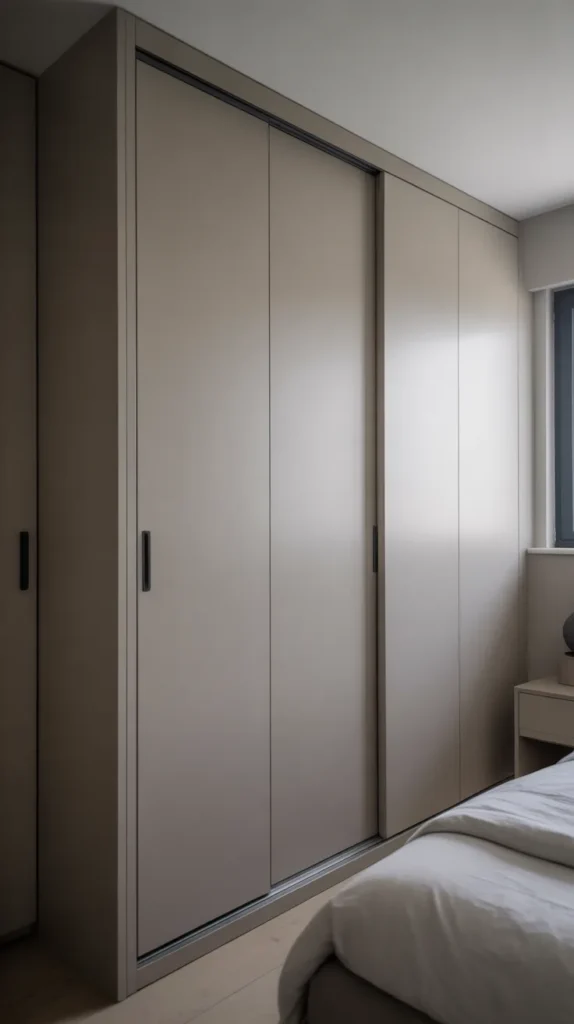
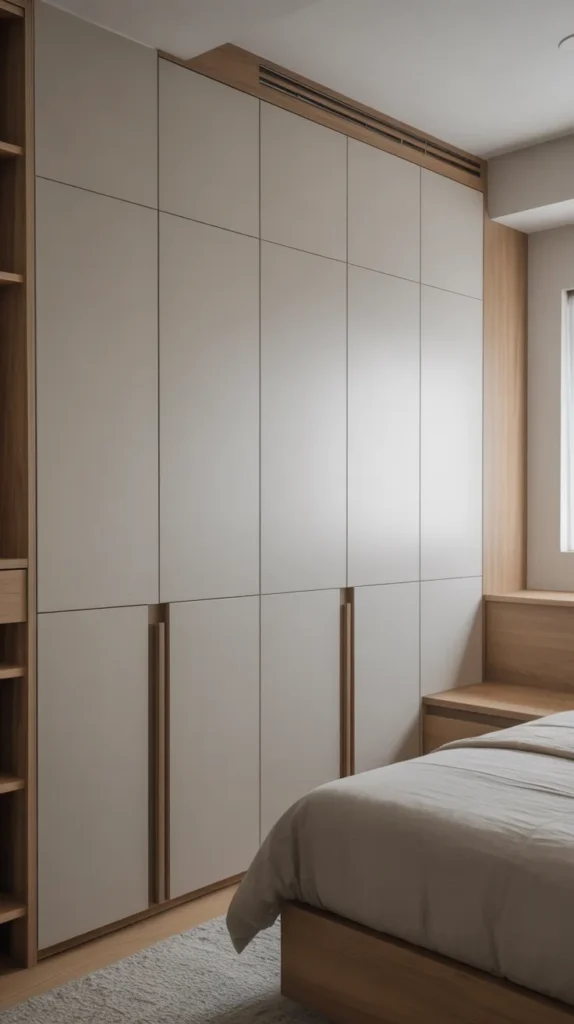
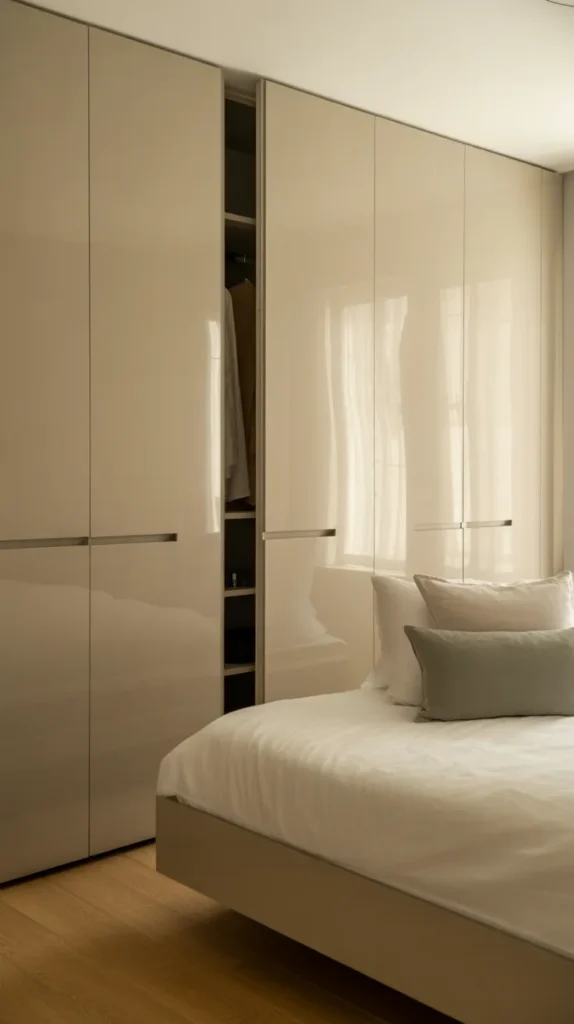
10. Add Built-In Wardrobes
Built-in wardrobes are ideal for small bedrooms because they use space efficiently and create a streamlined look. Floor-to-ceiling designs maximize storage while reducing visual clutter.
Sliding doors are especially useful, as they don’t require extra space to open. Light-colored or mirrored finishes help maintain an open feel.
Custom wardrobes can be tailored to your storage needs, making them both practical and stylish.
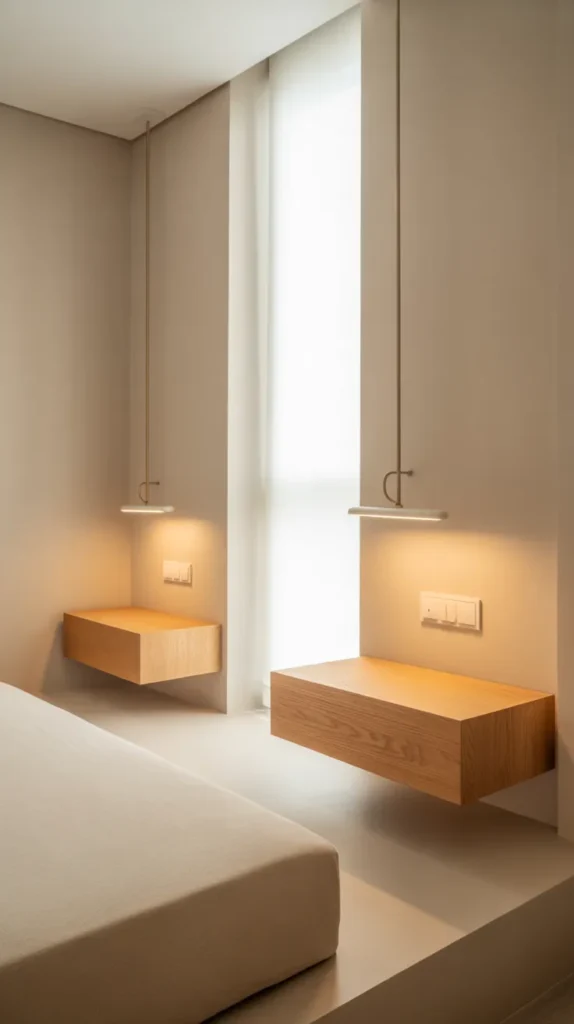
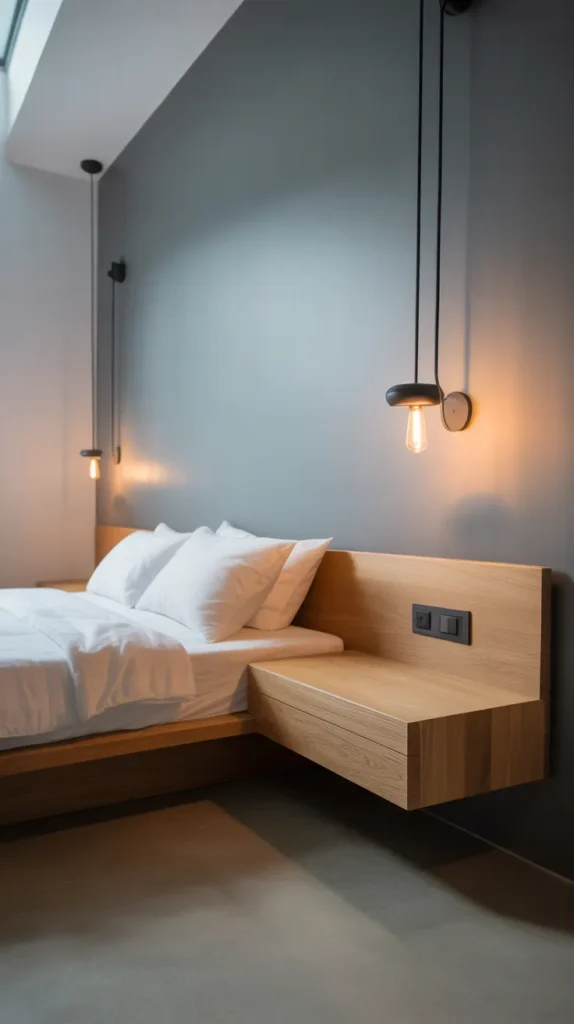
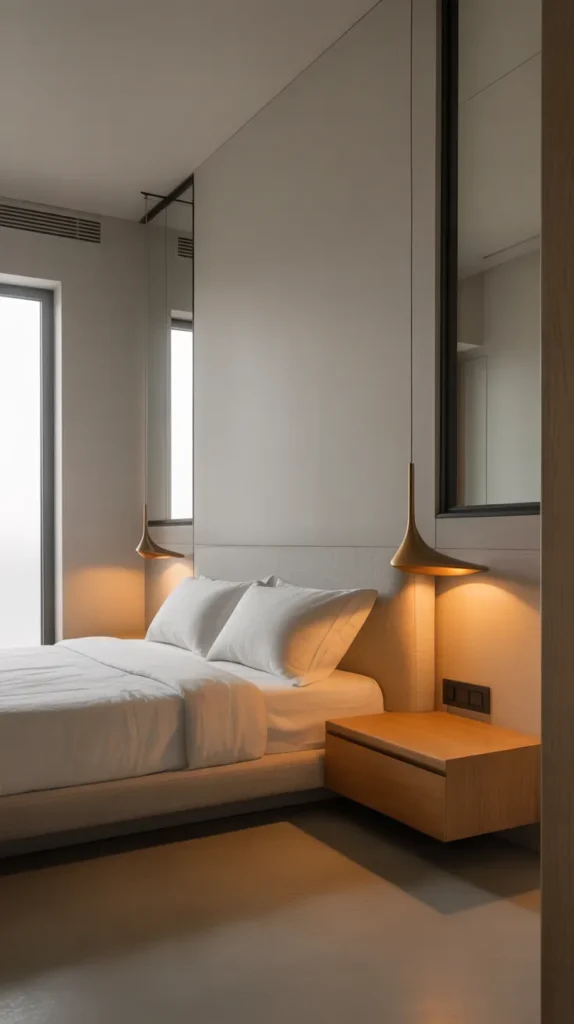
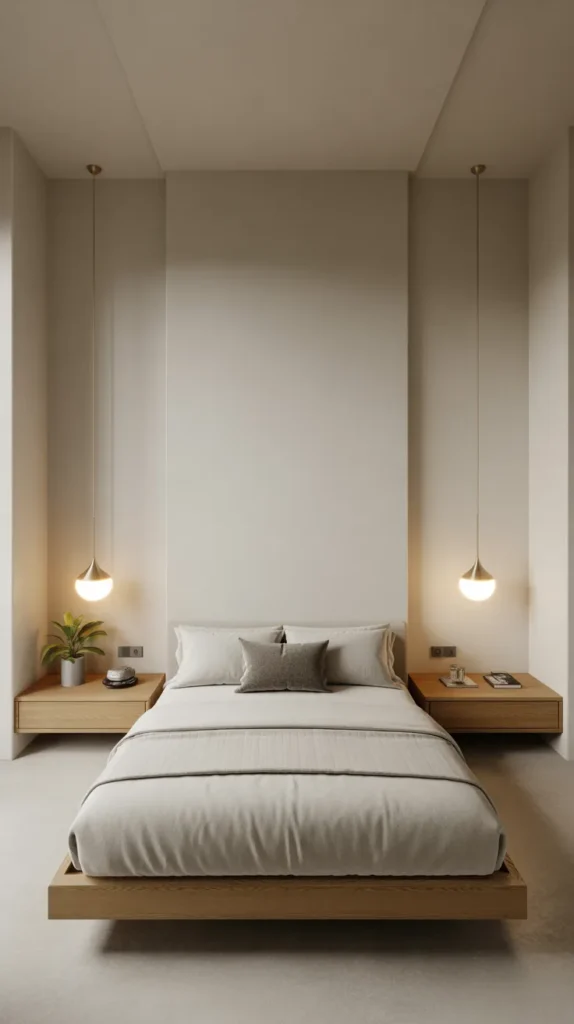
11. Use Floating Nightstands
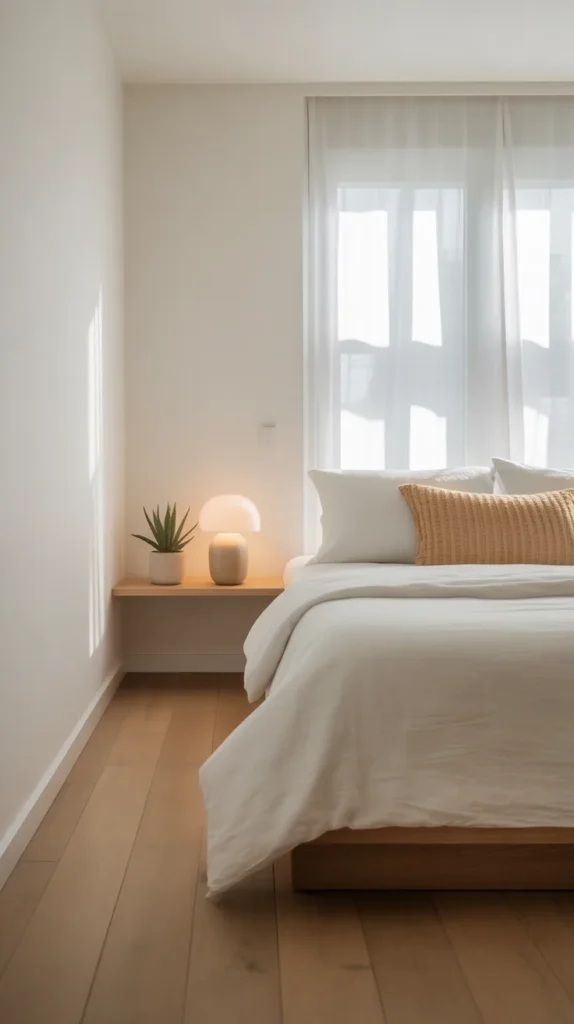
Floating nightstands free up floor space and make a bedroom feel lighter. They provide enough surface area for essentials like lamps and books without bulky legs.
Some designs include drawers for additional storage. Pair them with wall-mounted lights for a cohesive, modern look.
This idea works especially well in narrow bedrooms.
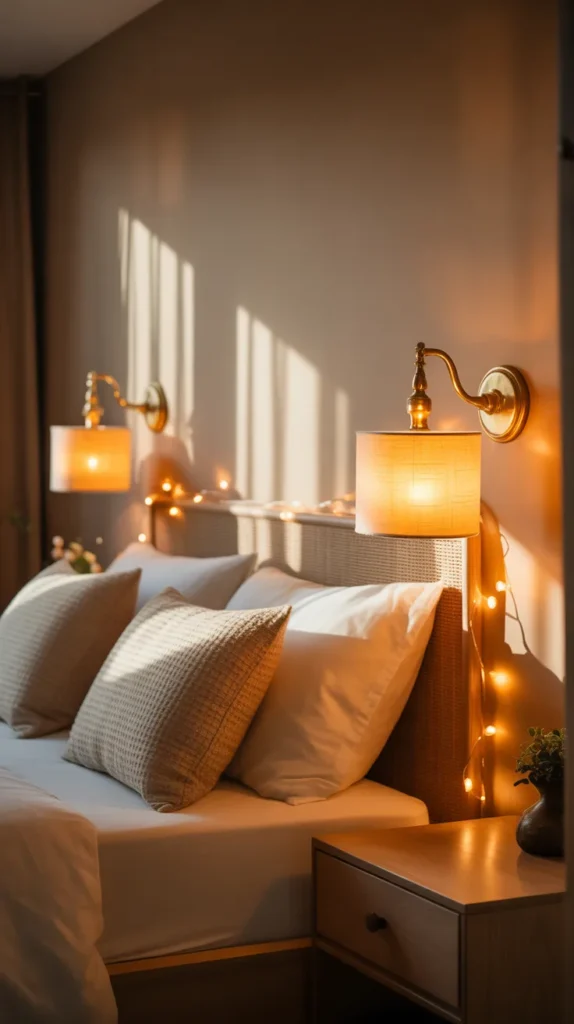
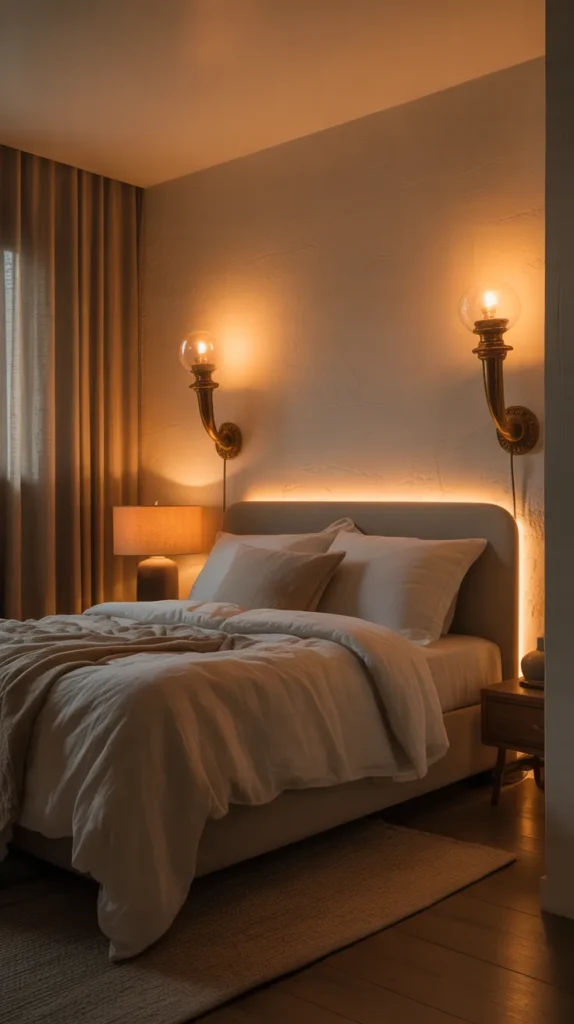
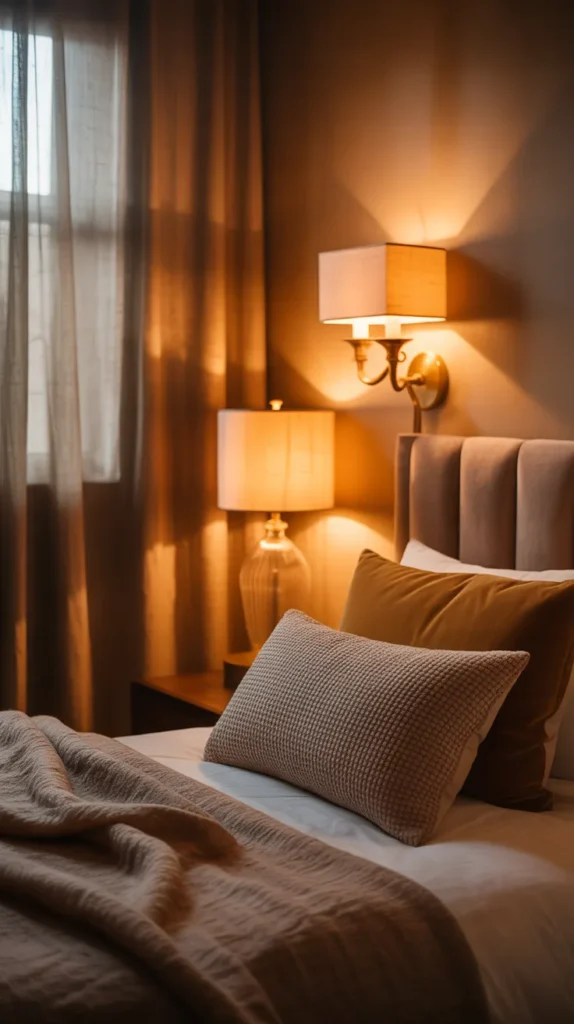
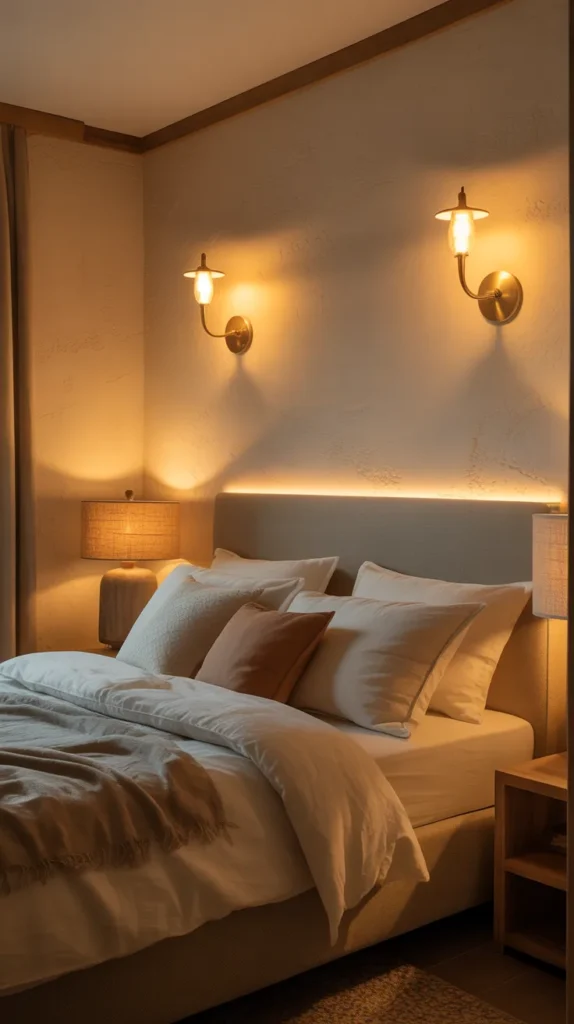
12. Choose Smart Lighting Layers
Good lighting can completely transform a small bedroom. Instead of relying on a single overhead light, layer different light sources—ambient, task, and accent lighting.
Wall sconces, pendant lights, and LED strips save space while adding depth. Warm lighting creates a cozy atmosphere without overwhelming the room.
Avoid bulky floor lamps that take up precious space.
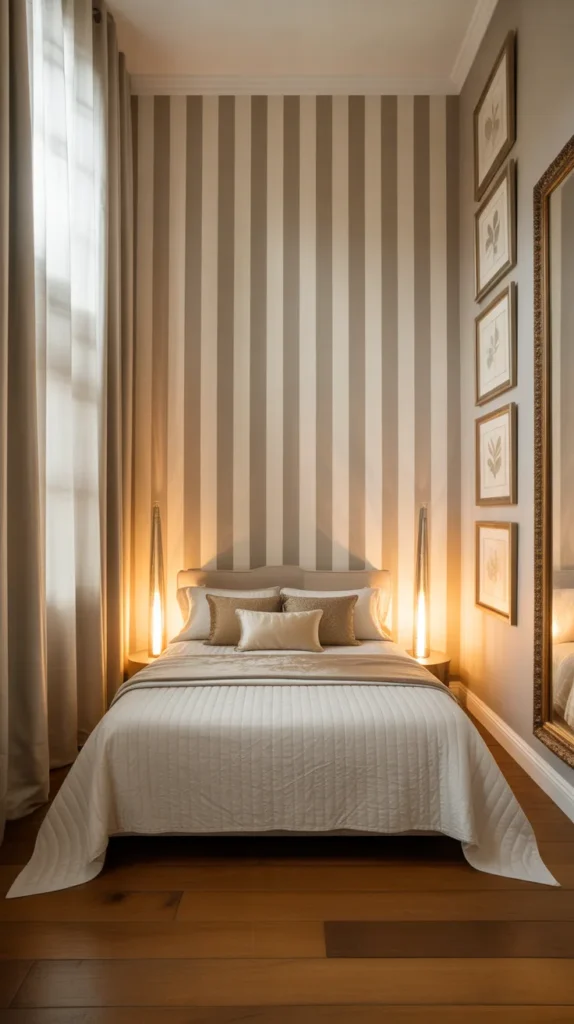
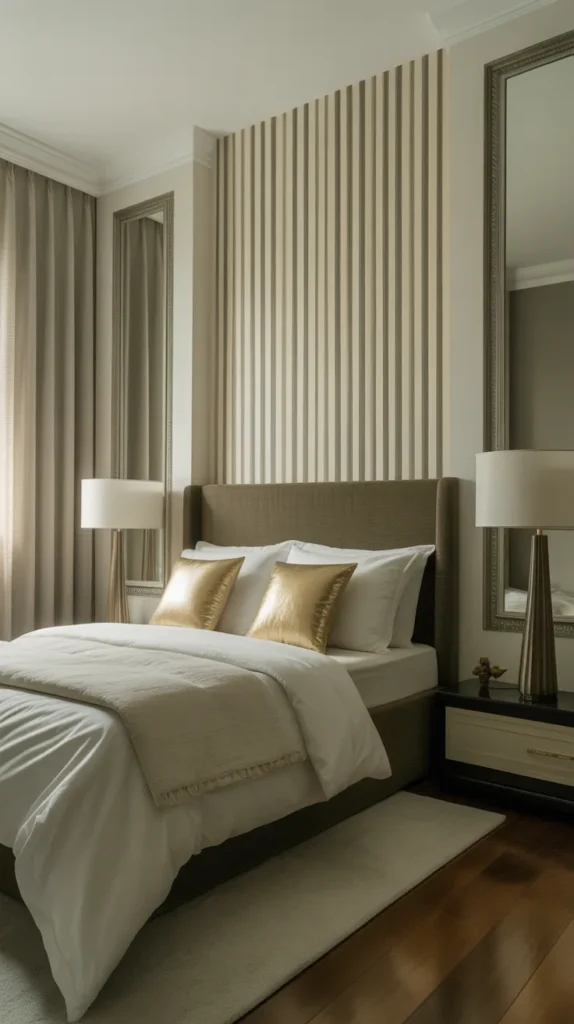
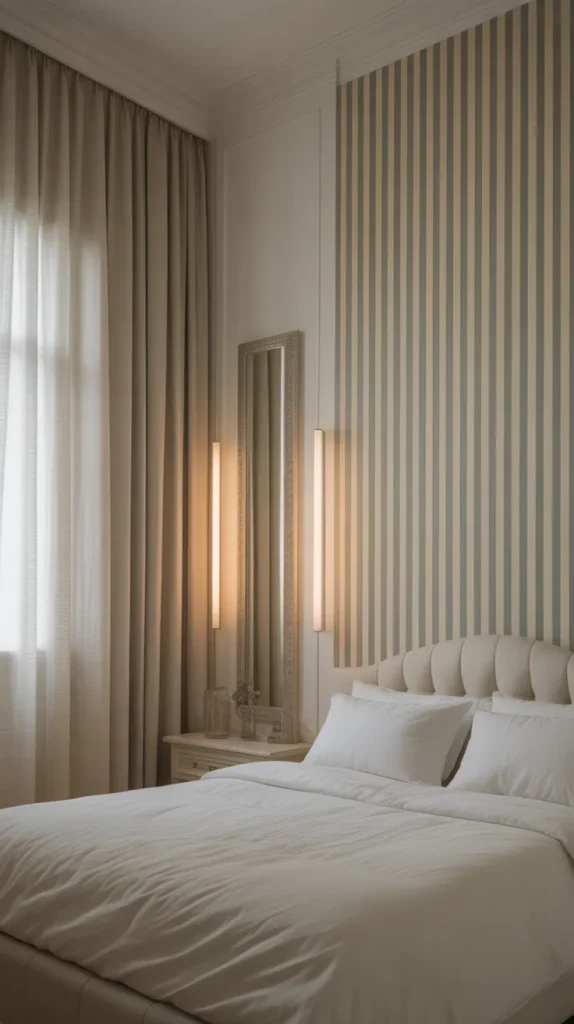
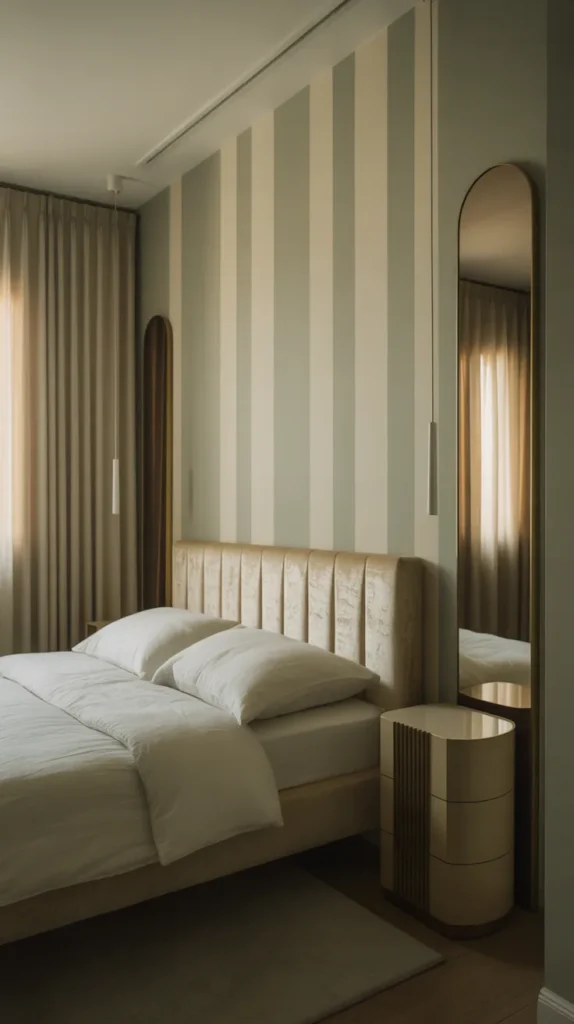
13. Add Vertical Stripes or Patterns
Vertical stripes on walls, wallpaper, or curtains draw the eye upward, making the room feel taller. This is a simple yet powerful visual trick for small bedrooms.
Choose subtle stripes in neutral or soft colors to avoid overwhelming the space. Even vertical paneling or textured paint can achieve this effect.
Balance patterns with solid colors elsewhere in the room.
14. Keep Décor Minimal and Intentional
Too much décor can make a small bedroom feel chaotic. Instead, choose a few meaningful pieces—artwork, plants, or decorative cushions—that reflect your personality.
Stick to a consistent theme or color palette. Functional décor, like stylish storage baskets or decorative mirrors, works best.
Remember, empty space is just as important as decorated space.
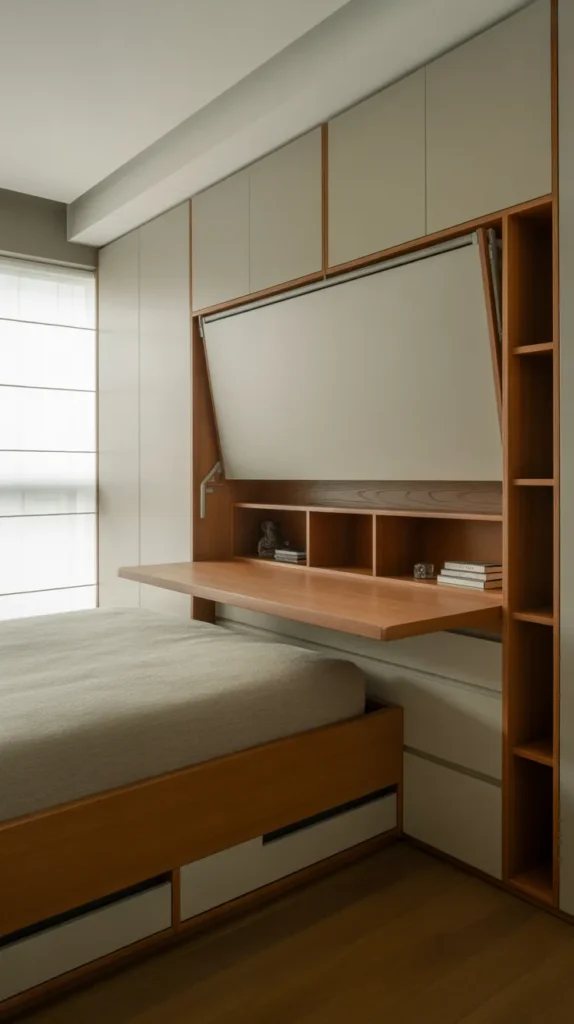
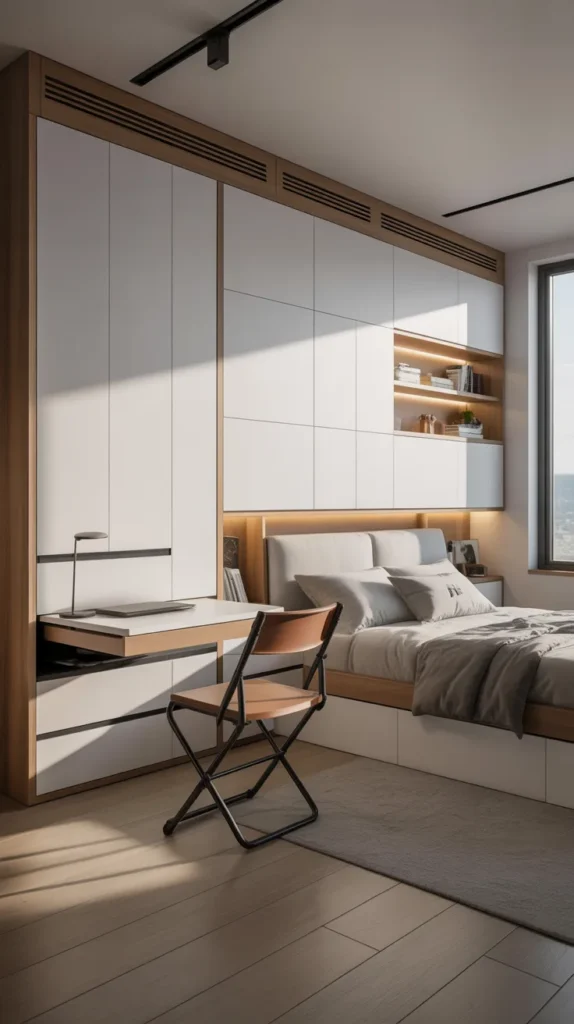
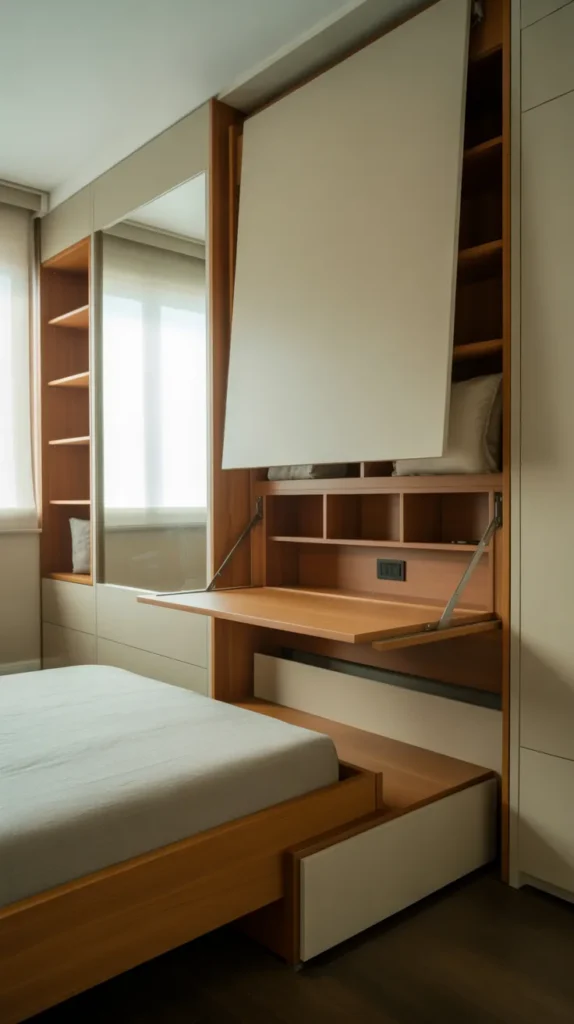
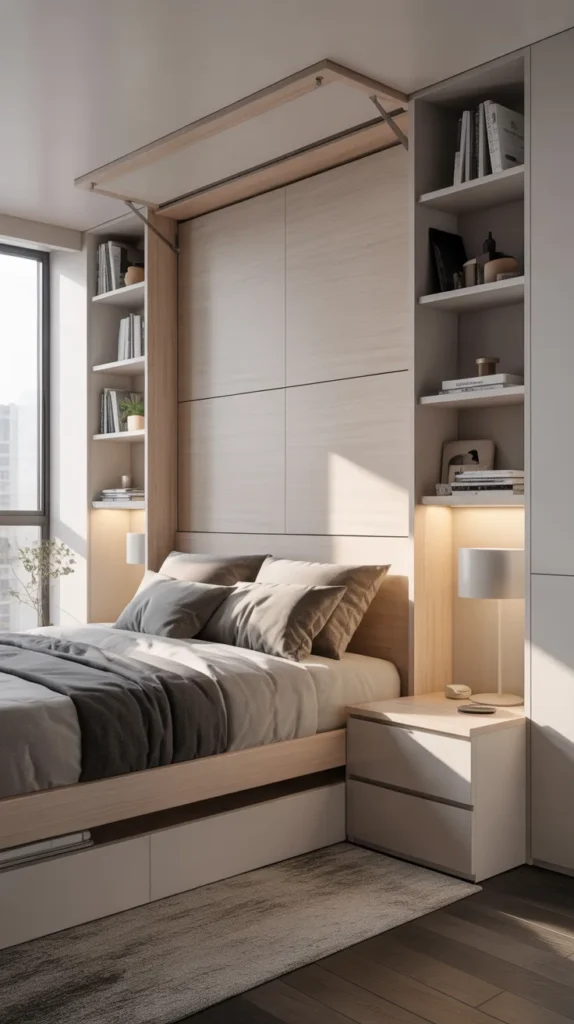
15. Use Foldable or Hidden Furniture
Foldable furniture is perfect for flexible living. Fold-down desks, Murphy beds, and collapsible chairs allow you to adapt the space as needed.
When not in use, these pieces disappear, making the room feel open. This is ideal for multi-purpose bedrooms.
Choose high-quality mechanisms for durability and safety.
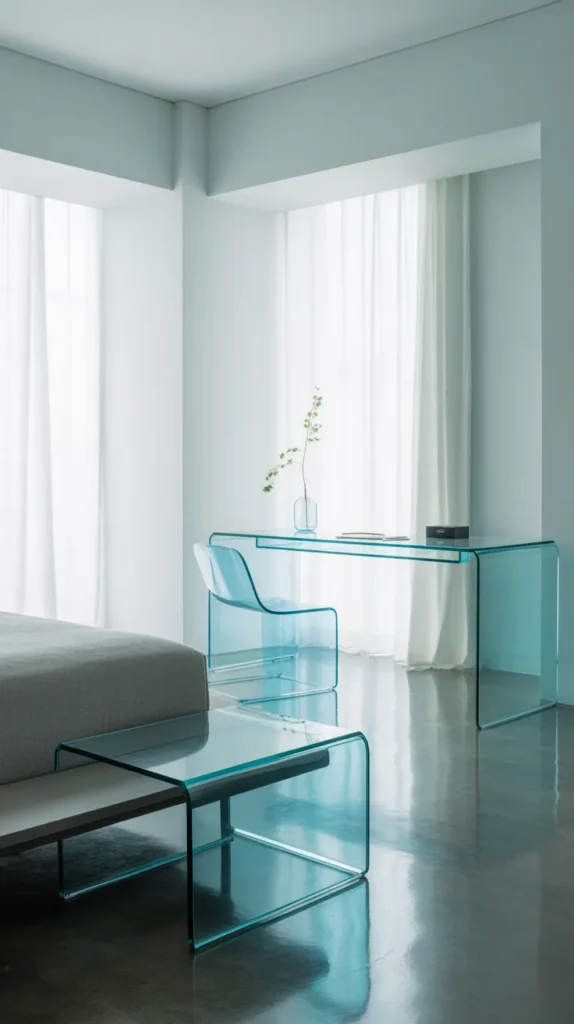
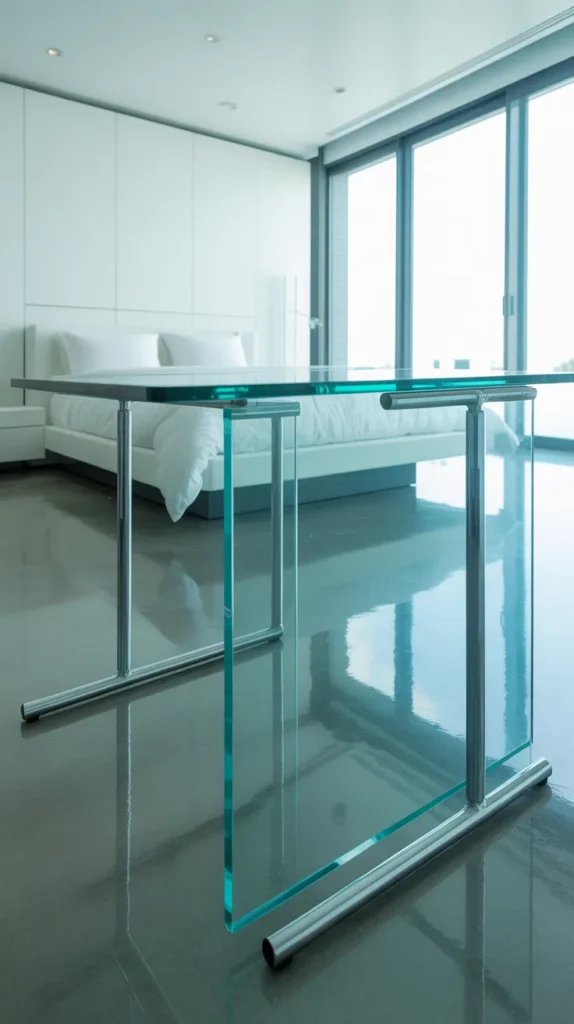
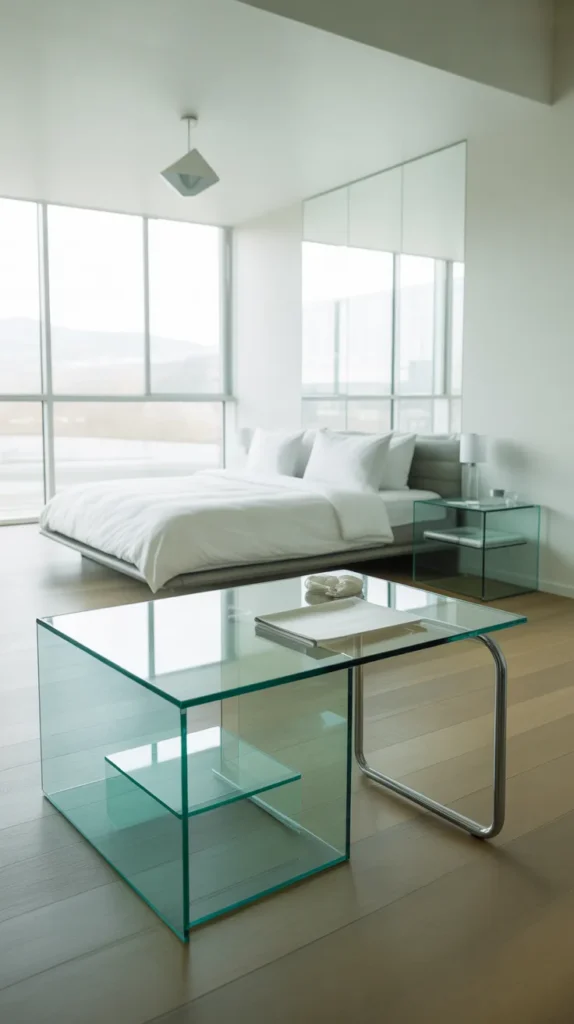
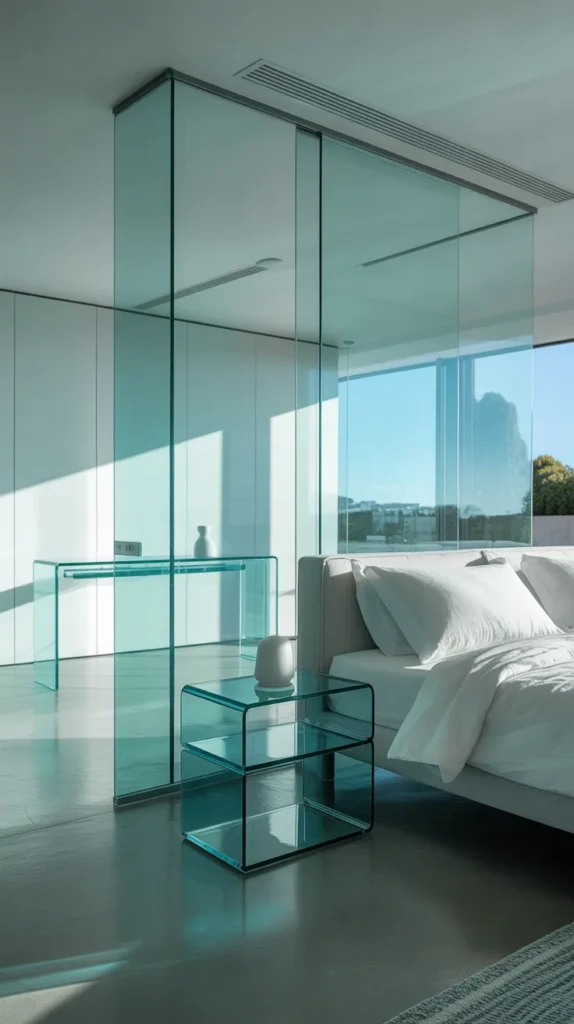
16. Incorporate Glass and Transparent Elements
Glass furniture and transparent materials reduce visual weight. Glass-top desks, acrylic chairs, or transparent décor blend into the background, making the room feel less crowded.
These elements work especially well in modern or contemporary designs.
Balance glass with warm textures to keep the room inviting.
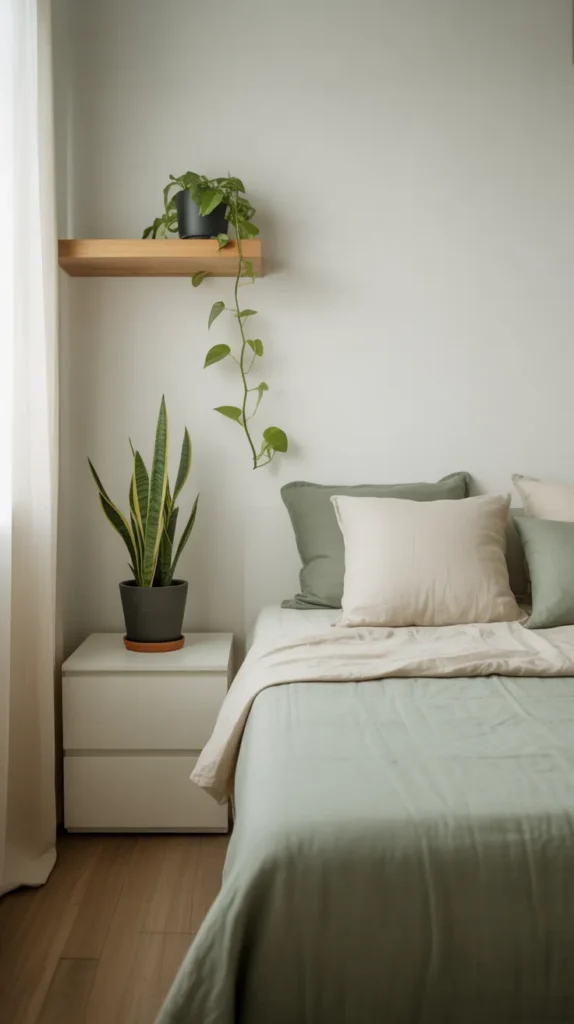
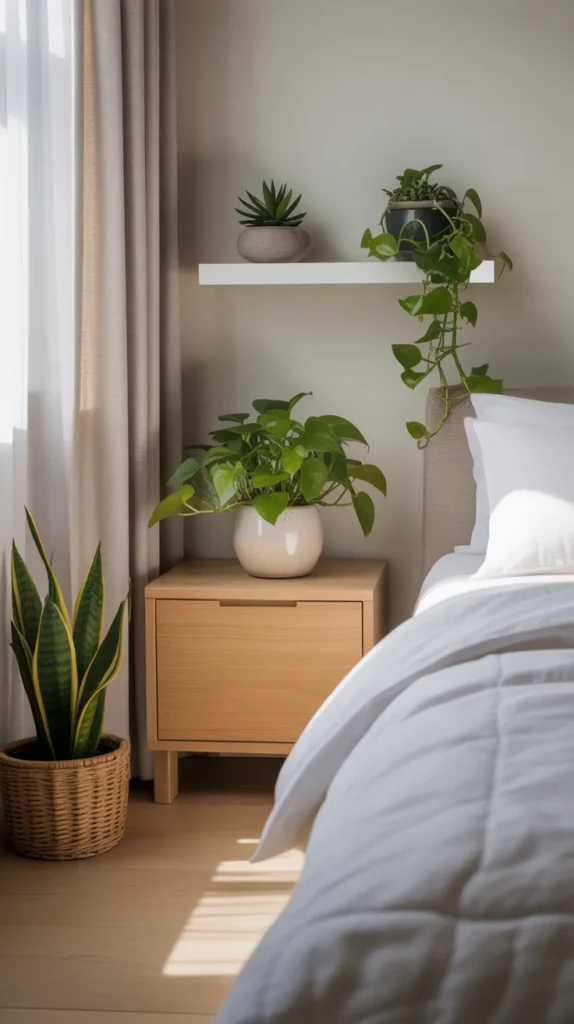
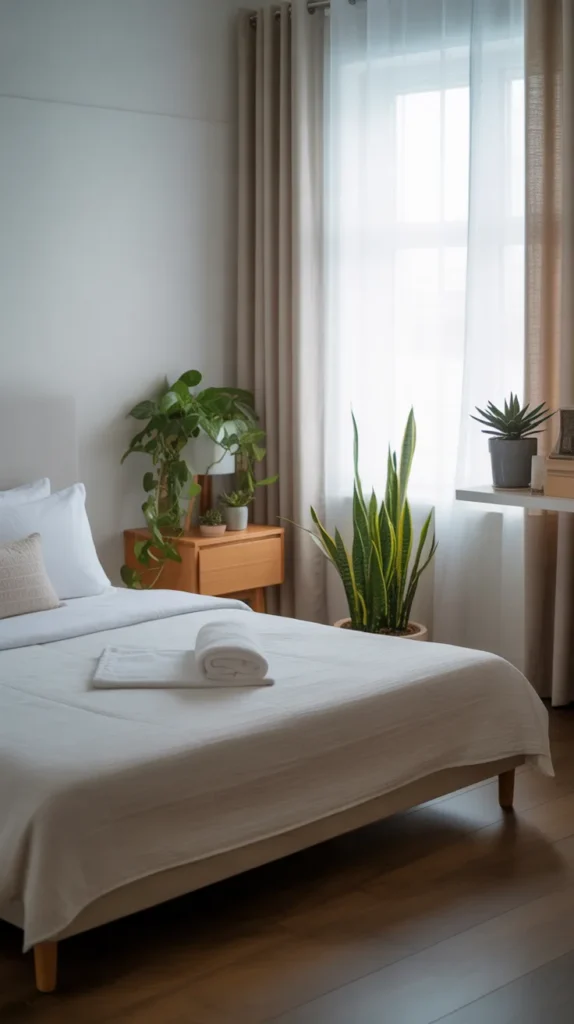
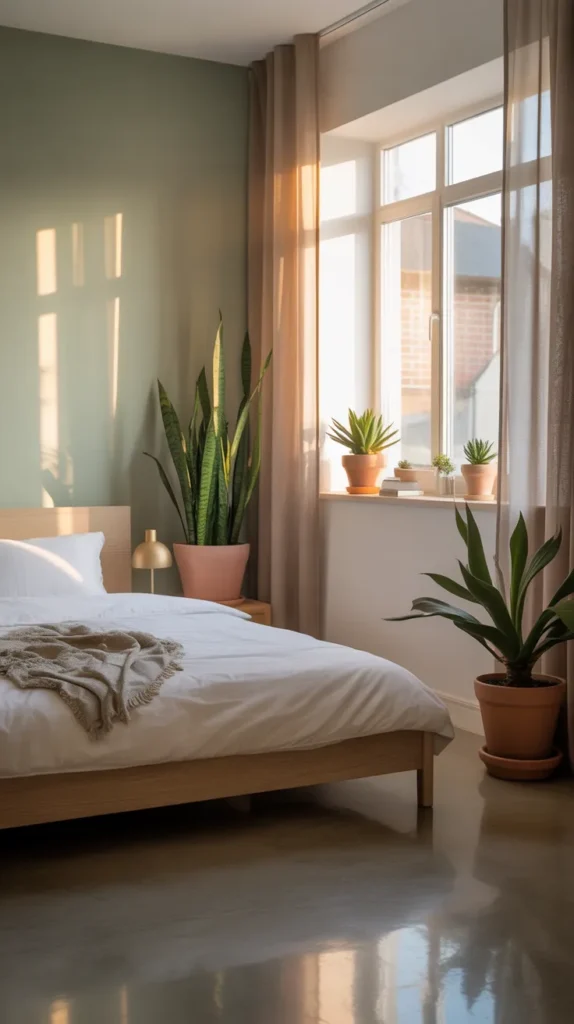
17. Add Plants Without Overcrowding
Plants bring life and freshness to a small bedroom. Choose compact or hanging plants to avoid using floor space.
Wall-mounted planters or small bedside plants add a natural touch without clutter. Stick to one or two plants for balance.
Greenery pairs beautifully with neutral color schemes.
18. Maintain Consistent Visual Flow
Consistency is key in small bedroom design. Matching furniture finishes, cohesive colors, and aligned layouts create a smooth visual flow that makes the space feel larger.
Avoid abrupt color changes or mismatched styles. A harmonious design feels intentional and spacious.
This final touch ties all makeover ideas together beautifully.
Final Thoughts
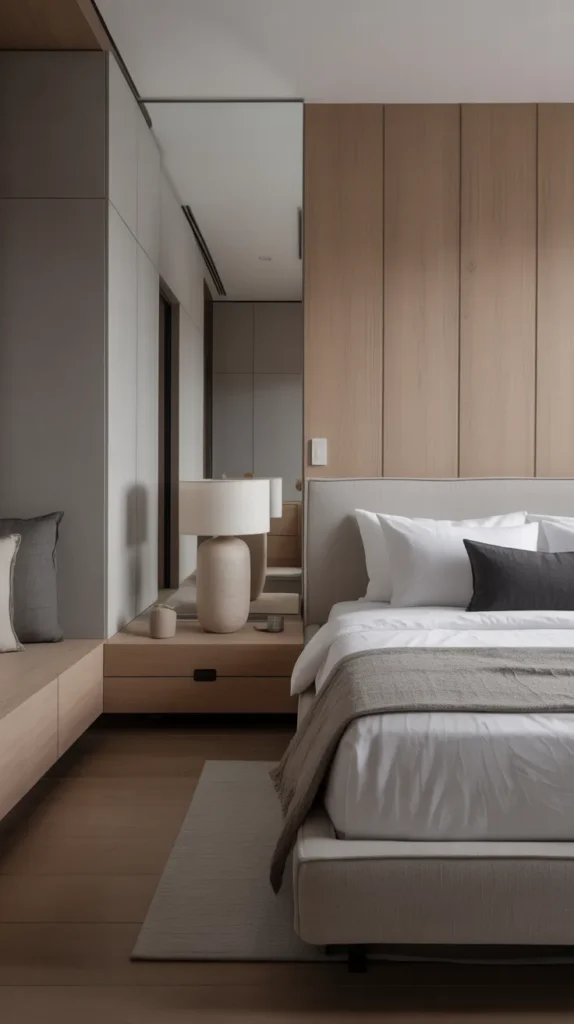
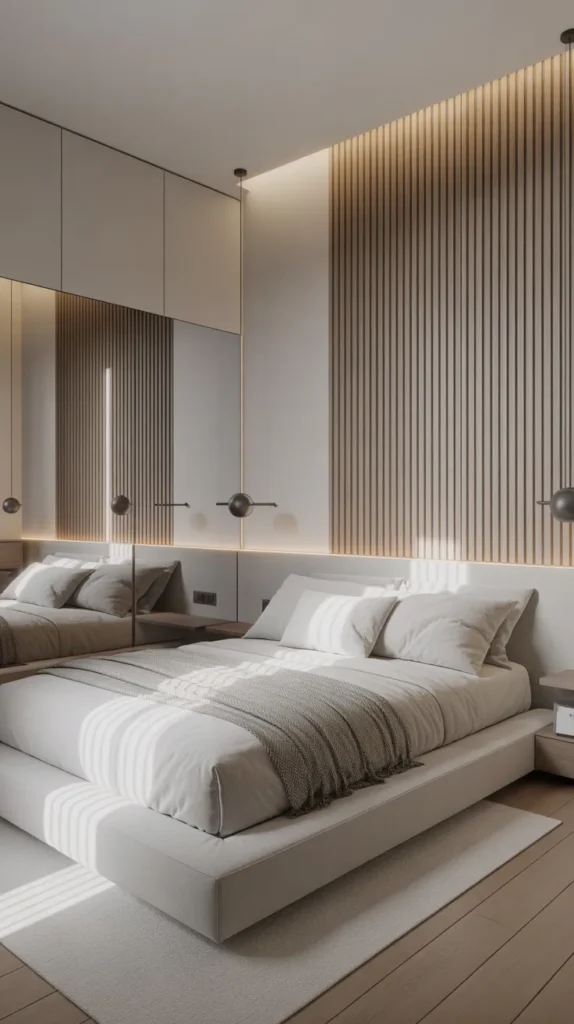
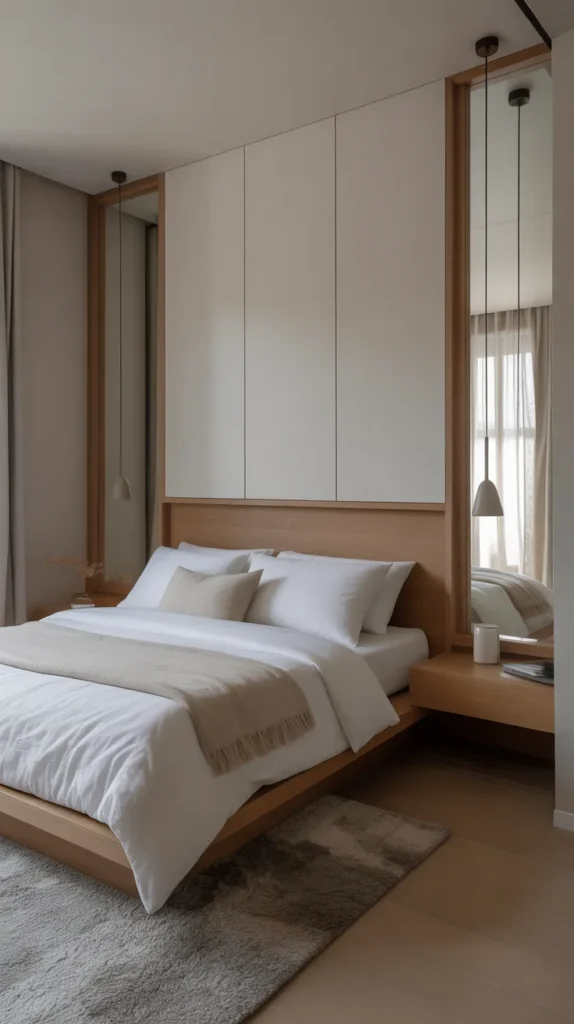
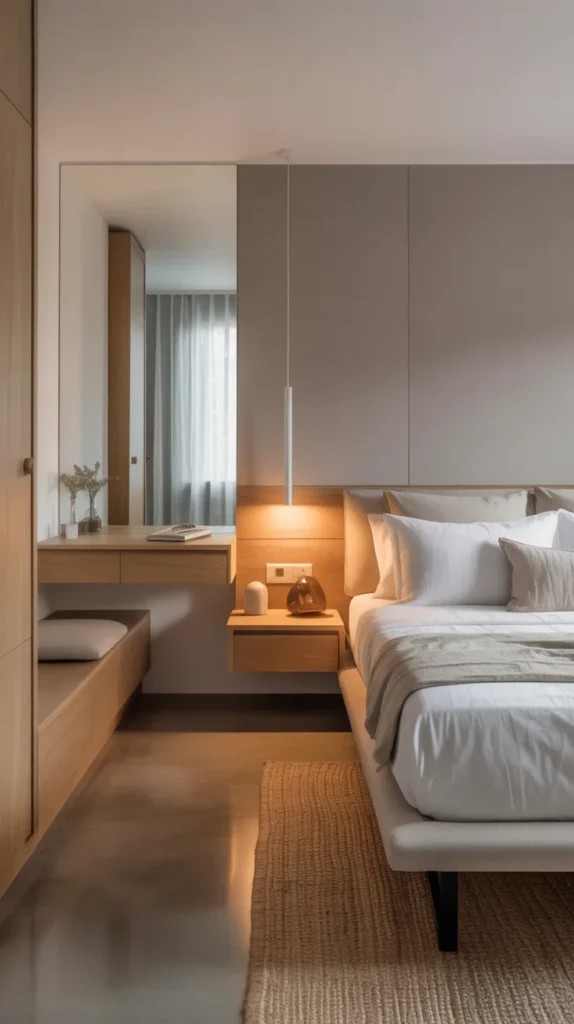
A small bedroom can be just as stylish, comfortable, and functional as a large one—sometimes even more so. With thoughtful planning and smart design choices, you can transform limited space into a personal retreat that feels open and inviting.
These 18 small bedroom makeover ideas offer practical inspiration to help you make the most of every inch, no matter your style or budget.